0%

Buying Soy Wax Candles in bulk can look like a simple way to lower unit costs. It is not always that simple. A low quote may hide inconsistent batches, unsuitable packaging, or a lead time that misses your selling season. Before committing, buyers need to assess the candle itself and the supplier’s ability to deliver it reliably.

The wider market makes careful purchasing relevant. Grand View Research estimated the global candle market at USD 12.88 billion in 2023 and projected a 5.7% compound annual growth rate from 2024 to 2030. That figure covers candles broadly, not soy wax alone, but it signals sustained commercial interest. The National Candle Association also identifies fragrance as an important factor in candle purchasing. For bulk orders, scent consistency matters: a sample that smells balanced in a small room may feel overpowering across a full retail display.

Details matter. Ask for wax and fragrance specifications, request samples from the intended production process, and check that wick and vessel choices suit the candle size. Confirm minimum order quantities, packaging options, defect handling, and realistic delivery windows in writing. A supplier’s polished catalog is useful, but it cannot replace a burn test. Even then, one test is not a guarantee; room conditions and handling can change the experience. The ten tips below offer a practical framework for comparing suppliers, controlling avoidable risks, and choosing Soy Wax Candles that fit your customers and your budget.
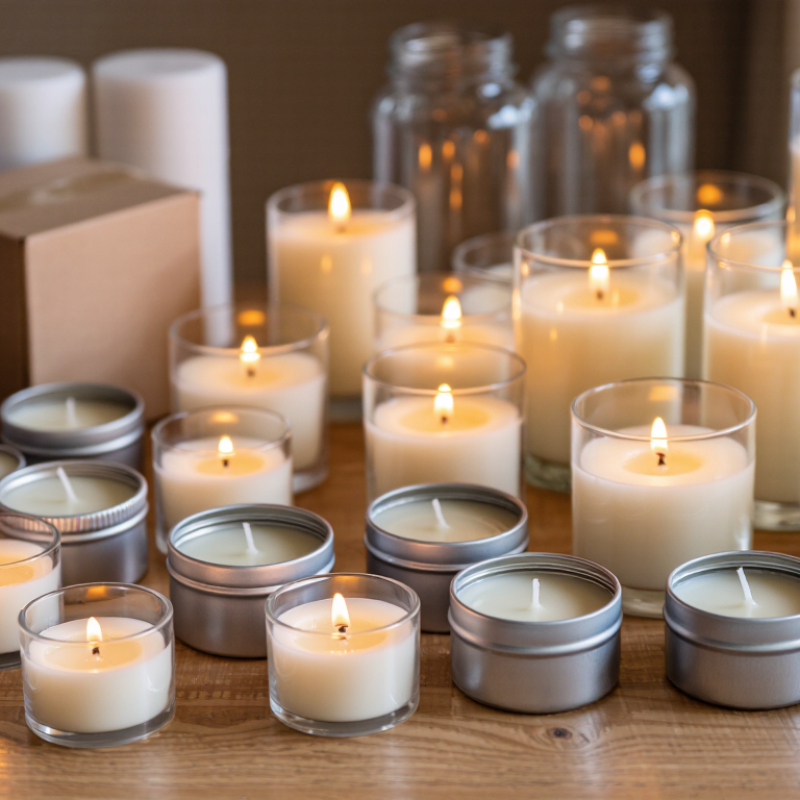
10 Tips for Buying Soy Wax Candles in Bulk

Define Your Bulk Candle Needs and Intended Use

Before requesting a bulk quote, decide where the candles will be used and who will use them. A shop display, wedding favor, and everyday home candle have different needs. Consider the room size, occasion, audience, and whether candles will be gifts or regular stock. Start with the setting.

Choose a practical size and scent profile. Small tins may suit favors, while heavier jars can feel more substantial on a retail shelf. Strong fragrance is not always better; a small room may need a lighter scent. Ask for samples, then test them in the intended space. Note how the candle burns, how quickly the scent becomes noticeable, and whether the container gets uncomfortably hot. Soy wax can respond to temperature and fragrance choices, so sample results may not match every production batch exactly.

Estimate your quantity from real demand, not an optimistic guess. Check past sales, event attendance, or the number of gift recipients, then allow a modest buffer for breakage or late changes. I have seen planning focus too much on unit price; storage space and slow-moving scents matter, too. Keep cartons away from direct sunlight and heat, and confirm that the supplier can maintain consistent sizes and labeling across the order. What will you do with the stock if one fragrance sells more slowly than expected?

Compare Soy Wax Types, Fragrance Options, and Burn Quality

When buying soy wax candles in bulk, compare wax types before comparing scent names. Pure soy wax often gives a creamy finish, while soy blends may improve glass adhesion or firmness. The exact result depends on the formula and vessel. Ask for wax details and test candles in the same room, using identical burn times. Small differences matter.

Tip: Request samples from each wax option. Check for wet spots, rough tops, and whether the candle burns evenly near the glass. Then compare fragrance options at both cold sniff and after lighting. A strong scent in the box may become faint when warmed. Fragrance performance also depends on the wax, wick, and curing time, so avoid judging from one quick test.

For burn quality, note how soon a melt pool forms and whether the flame stays steady. Watch for excess soot, tunneling, or a wick that mushrooms after several hours. Keep notes on room size and burn duration; otherwise, comparisons get fuzzy. It is tempting to choose the strongest fragrance, but a heavy scent can feel tiring in a small room. I would also leave room for a second test. One sample can behave oddly, and bulk orders make that mistake expensive.

10 Tips for Buying Soy Wax Candles in Bulk: Compare Soy Wax Types, Fragrance Options, and Burn Quality

These illustrative ranges show common fragrance-load starting points for container candles, pillar candles, and wax melts. Actual limits vary by wax formulation and fragrance oil; follow the supplier’s specifications. Before placing a bulk order, test samples for scent, wick performance, and an even burn.

Evaluate Suppliers, Product Samples, and Safety Standards

Tip: Vet the supplier beyond the product page. Ask for wax composition, fragrance load, wick material, batch controls, and written quality checks. Request recent production photos or a video of pouring and packing. Clear answers matter. If replies are vague, pause before ordering hundreds of candles. Check lead times and carton dimensions, too; a low unit price may come with costly freight or storage needs.

Tip: Order samples from the same candle range you plan to buy. Burn them in a draft-free room on a level, heat-resistant surface. Note flame height, soot, melt pool, scent throw, and how warm the container becomes. Keep simple notes across several burns. One sample cannot prove every batch will perform the same. That gap matters. Ask whether the supplier can provide a pre-production sample and explain how production batches are checked.

Tip: Treat safety paperwork as part of supplier evaluation, not an afterthought. Ask for relevant test records, clear use instructions, and suitable warning labels for your intended market. Check that the container is designed for candle use and that the wick stays centered. A tidy label is not proof of safe performance. If documents are incomplete, ask specific follow-up questions before placing a bulk order.

Calculate Unit Costs, Shipping Fees, and Minimum Order Quantities

When buying soy wax candles in bulk, compare the full landed cost, not just the carton price. Divide the candle price by the number of units, then add packaging, freight, and handling charges. A low quote can become expensive once delivery is included. Check whether shipping is estimated or fixed, and request a written breakdown before placing a large order.

Tip: Calculate unit costs at realistic quantities. If 120 candles cost $480, the base price is $4 each; adding $96 shipping raises it to $4.80. Include a small allowance for damaged jars. A few cracked ones can affect your margin. Small orders cost more. But extra stock only makes sense if you can store it cool and dry, and sell it while the scent remains fresh.

Tip: Read the minimum order quantity carefully. It may apply per scent, vessel, or shipment. Ask whether mixed scents count toward the minimum, and confirm how many candles come in each carton. Compare the minimum with your likely monthly sales. It is easy to treat a bulk discount as guaranteed savings; unsold candles can tie up cash longer than expected. If possible, test a smaller order first.

Review Packaging, Storage, and Return Policies Before Ordering

Before ordering soy wax candles in bulk, inspect how each candle is packed. Individual boxes, snug dividers, and sealed outer cartons can reduce scuffs and breakage during transit. Soy wax may soften in warm conditions, so ask how shipments are protected from heat. Request current photos of a packed carton, not only product images. A photo helps, though it cannot guarantee careful handling.

Tips: Check carton strength and dividers. Ask about heat protection. Confirm how damaged items are documented.

Storage and returns deserve equal attention. Keep cartons in a cool, dry room, away from direct sun and strong odors. Store them flat, and avoid stacking heavy boxes on top; jars can crack under pressure. Before paying, read the return policy for damaged, missing, or incorrectly packed candles. Check the reporting deadline and whether photos or unopened packaging are required. Policies can be easy to skim past. I have found that small details, such as who pays return shipping, can change the real cost of an order. If possible, place a modest trial order before committing to a large shipment.

FAQS

How should I decide what kind of bulk candles to order?

Start with the setting and users. A shop shelf, wedding favor, and everyday home candle need different sizes and scents.

How can I choose a suitable candle size?

Small tins can work well as favors. Heavier jars may feel more substantial on a retail shelf.

Should I choose the strongest fragrance available?

Not always. A strong scent may feel tiring in a small room. Test a sample where the candle will be used.

What should I check when testing samples?

Note the burn, scent strength, and container temperature. Look for wet spots, rough tops, tunneling, or excess soot. Take notes.

How can I compare different soy wax options?

Ask for wax details and test each option in the same room. Pure soy may look creamy, while blends can affect firmness or glass adhesion.

Why might a candle smell different after lighting?

A strong cold scent may become faint when warmed. Wax, wick, and curing time can change fragrance performance.

What should I watch during a burn test?

Check how soon the melt pool forms and whether the flame stays steady. Also note wick mushrooming after several hours.

How much stock should I order?

Use past sales, event attendance, or recipient counts. Add a modest buffer for breakage or late changes, not a hopeful guess.

What can go wrong with a large order?

Slow-moving scents can take up storage space. Keep cartons away from sunlight and heat, and ask about consistent sizes and labeling. One sample can behave oddly.

Conclusion

Buying Soy Wax Candles in bulk can be a practical way to prepare for events, retail needs, or regular personal use, but a successful order starts with clear planning. Decide how many candles you need, where they will be used, and what sizes or styles suit that purpose. Compare wax types, fragrance choices, and expected burn quality so the products match your preferences and intended setting. Request samples when possible to assess scent, finish, and performance before committing to a large quantity.

Before placing an order, evaluate suppliers by reviewing product details, safety information, and customer support. Calculate the full cost per candle, including shipping, taxes, and any minimum order requirements, rather than comparing unit prices alone. Also check how the candles will be packaged and stored, and understand the supplier’s policies for damaged goods, returns, or order changes. Careful consideration of these factors can help you choose a bulk order that fits your needs, budget, and expectations.

Evelyn

Evelyn

Evelyn is a professional marketing specialist with a strong understanding of the company’s products, customers, and market. Through ongoing collaboration with teams across the business, Evelyn develops a detailed knowledge of how the company’s solutions work, the needs they address, and the......