



1. Technical Science Behind Amber Glass Candle Vessel Manufacturing
In the luxury home fragrance and wellness sectors, the container is not merely an aesthetic shell; it is a functional component of the candle's thermodynamics and scent longevity. As China's premier amber glass candle manufacturer, Aoyin Jubren Candle Co., Ltd. integrates advanced glass science with precise wax formulation to produce amber glass candles that meet rigorous global quality standards. Amber glass vessels offer a distinct physical advantage over clear glass, plastic, or tin containers, particularly for candles infused with delicate organic essential oils and botanical aromatic compounds.
1.1 Photoprotective UV-Filtering Dynamics
Natural essential oils—such as lavender, bergamot, citrus, and eucalyptus—contain volatile organic compounds, including monoterpenes, sesquiterpenes, and aldehydes. These molecules are susceptible to photo-oxidation when exposed to ambient ultraviolet (UV) light (wavelengths between 300 nm and 450 nm). Photo-oxidation breaks down complex aromatic structures, resulting in off-notes, fragrance discoloration, and reduced hot-throw intensity over time.
Amber glass acts as an spectral barrier, absorbing UV radiation and short-wavelength visible light up to 450 nm. By specifying high-density amber soda-lime glass for our candle lines, we ensure that private-label brands preserve their proprietary fragrance formulations throughout extended warehouse storage, ocean transit, and retail display shelf-life.
Technical Insight: Our amber glass containers achieve an optical transmission loss of over 92% in the 300nm–400nm UV spectrum, protecting natural soy and essential oil formulations from light-induced discoloration and fragrance degradation.
1.2 Thermal Resistance & Wall Consistency Standards
During extended burn cycles (4 hours or longer), the melt pool of a candle reaches temperatures between 55°C and 68°C. Uneven glass wall thickness or micro-internal stresses can create thermal shock gradients, increasing the risk of structural failure or container cracking.
Our manufacturing facility in Shijiazhuang, Hebei utilizes automated anneal-cooling tunnels and precision wall-thickness gauge monitoring. Every amber glass jar is engineered with:
- Uniform Wall Thickness: Engineered between 3.2mm and 4.0mm to optimize heat retention without excessive weight.
- Annealed Thermal Stress Relief: Glass jars undergo strict stress-relief tempering to withstand thermal differentials up to 85°C.
- Reinforced Heavy-Base Design: A weighted bottom center prevents heat transfer to tabletop surfaces, complying with ASTM F2179 safety standards.
2. Custom Wax Matrix Engineering & Fragrance Calibration
Achieving the ideal balance between cold-throw (aroma intensity when unlit) and hot-throw (aroma distribution when burning) requires precise thermal matching between the wax matrix, fragrance load, and wick capillary action.
Natural Soy & Plant Wax
100% biodegradable hydrogenated soybean oil blend. Low melting point (48°C–52°C) ensures a wide melt pool and clean, soot-free burn in amber glass vessels.
Paraffin & Hybrid Matrices
Fully refined paraffin wax options (58°C–60°C melt point) offering maximum fragrance oil retention (up to 12% load) and high vivid color clarity.
Beeswax & Specialty Formulations
Ethically sourced yellow and white beeswax, featuring natural air-purifying ion properties, dense burn profile, and long burn durations.
2.1 Wick Calibration and Capillary Physics
An improperly sized wick leads to tunneling (wick melting down the center without consuming outer wax) or excessive flame height with carbon buildup ("mushrooming"). Our testing laboratory matches wick weave and diameter to container geometry:
- Unbleached Flat-Braid Cotton Wicks: Interwoven with paper threads to maintain structural stability, optimal for soy and palm wax blends.
- Cracking Wooden Wicks: Sourced from FSC-certified hardwoods, engineered to create an audible crackling ambience while maintaining a consistent liquid melt pool.
- Zinc & Lead-Free Standards: All wick assemblies comply with North American CPSC and European REACH safety regulations.
3. Global Sourcing Trends in Amber Glass Candle Manufacturing (2025–2030)
As global retailers adapt to shifting consumer preferences, purchasing teams must navigate several key structural trends shaping the OEM/ODM candle market:
Trend 1: Rise of Apothecary and Minimalist Clean Aesthetics
Modern consumers increasingly prefer medical-style amber glass, matte dark tones, and simple typographic labels over heavily decorated containers. This aesthetic appeals to wellness-conscious demographics seeking spa-like luxury within urban living spaces.
Trend 2: Eco-Friendly Refillable Systems & Modular Wax Pods
With stricter sustainability legislation in the European Union (such as the EU Packaging and Packaging Waste Regulation), brands are adopting durable amber glass vessels intended for re-use. Direct factory sourcing allows brand owners to pair primary amber jars with secondary refillable solid wax insert pods.
Trend 3: Stringent Chemical Compliance & Full Supply Chain Traceability
Importers into the US and Europe face rigorous customs inspections regarding volatile organic compounds (VOCs), phthalates, and heavy metals. Partnering with an SGS-assessed factory like Aoyin Jubren guarantees full documentation compliance, including SDS (Safety Data Sheets), IFRA (International Fragrance Association) certificates, and CLP labeling for European markets.
4. Comparative Technical Specifications Matrix
To assist procurement managers and brand strategists in building custom production briefs, the table below details standard benchmark specifications across our primary manufacturing categories:
| Candle Category | Primary Container Material | Available Wax Types | Fragrance Load Range | Burn Time (Avg.) | Target Export MOQs |
|---|---|---|---|---|---|
| Amber Glass Jar Series | Amber Soda-Lime Glass (100g – 500g) | Soy, Coconut-Soy, Paraffin | 6% – 12% | 25 to 65 Hours | 1,000 Units per Scent |
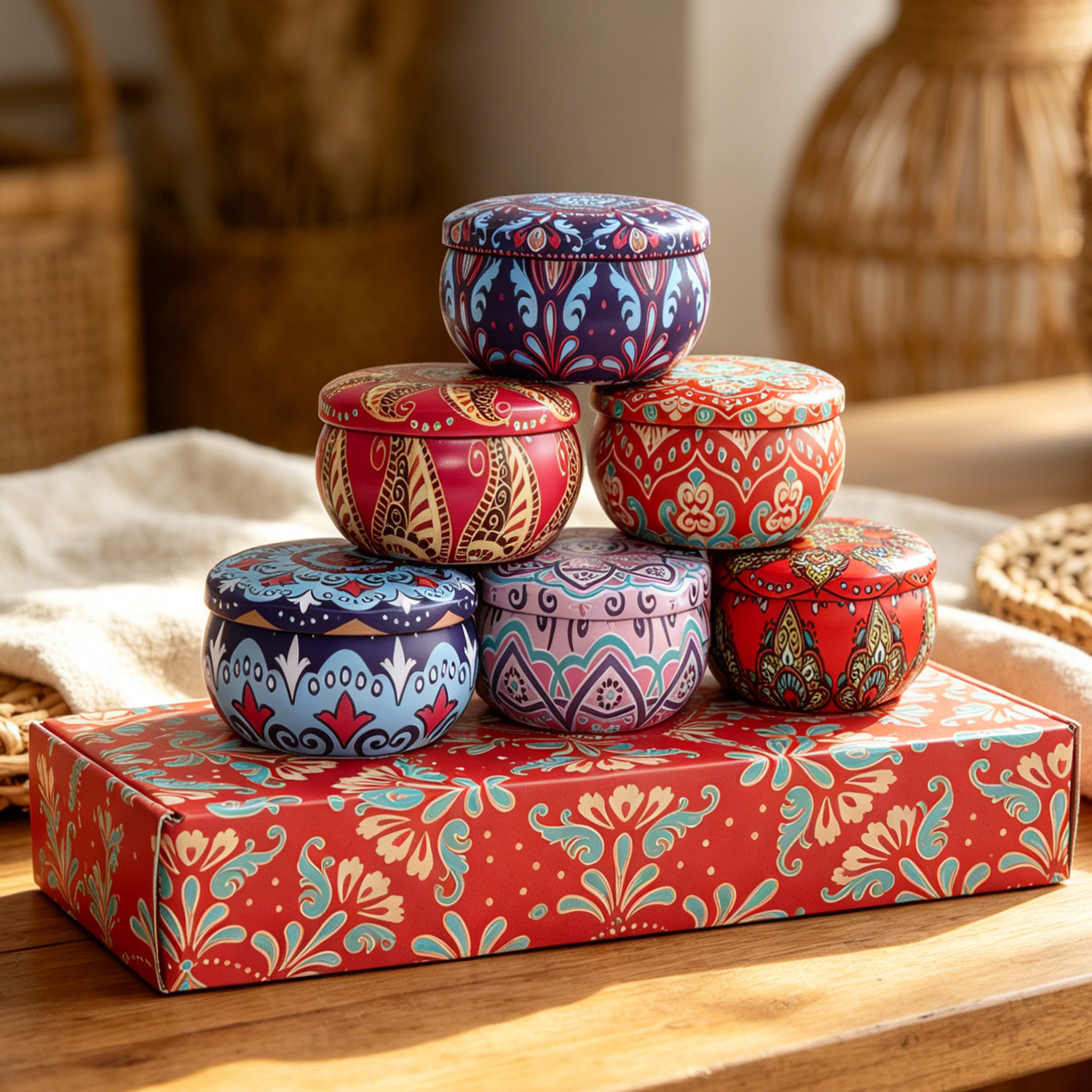
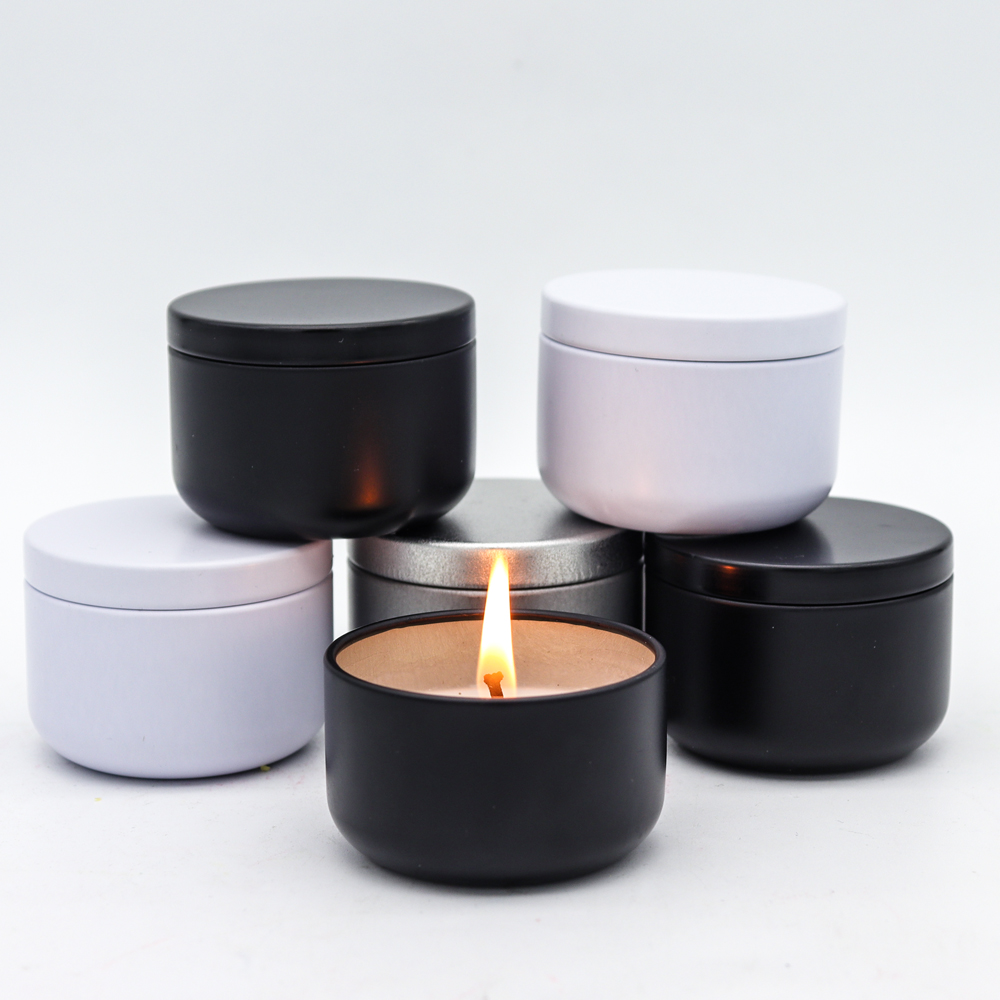
| Travel & Gift Tin Series | Seamless Aluminum / Tinplate | Soy Wax, Palm Wax | 5% – 8% | 15 to 30 Hours | 2,000 Units |
| Classic Church & Pillar Series | Uncontained / Molded Columns | Fully Refined Paraffin, Beeswax | Unscented / 3% Light | 40 to 120 Hours | 500 to 2,000 Units |
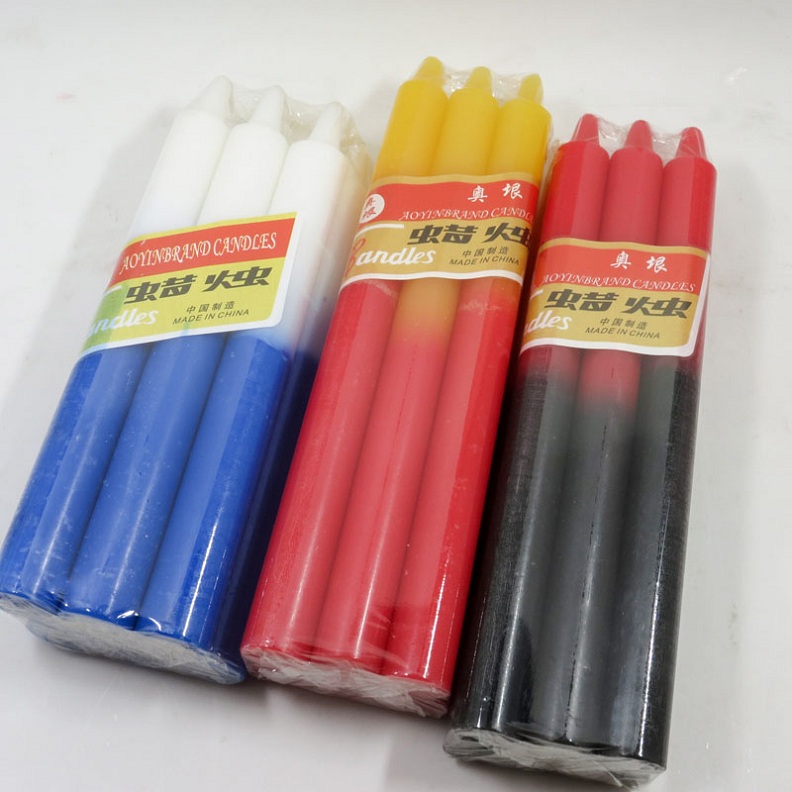
| Household & Utility Stick Series | Paper Pack / Shrink Wrap Box | 100% Semi-Refined Paraffin | Unscented Utility Grade | 4 to 8 Hours | 10,000 to 20,000 Packs |
| Sculptural Art & Novelty Series | Custom Hand-Poured Molds | Hardened Soy, Microcrystalline | 4% – 8% High-Grade Oil | Decorative / Variable | 500 to 1,000 Units |
5. Manufacturing Process, Factory Strengths & Quality Control
Located in Shijiazhuang, Hebei Province, Aoyin Jubren Candle Co., Ltd. operates a modern production campus spanning over 10,000 square meters. With 165 skilled technicians, automated pouring channels, and dedicated assembly lines, we provide full OEM/ODM manufacturing for brand owners, wholesalers, and retail chains worldwide.
Automated Multi-Stage Hot Pouring
Our dual-stage automated pouring lines maintain wax temperature variations within ±1°C. This prevents air pockets, frosting, and surface sinkholes during solidification, yielding a smooth top finish.
In-House SGS Audited Quality Assurance
Every production lot undergoes rigorous quality control checks, including 100% wick centering verification, melt pool temperature testing, soot/smoke emission analysis, and transit drop tests.
5.1 Custom Packaging & Logistics Engineering for Glass Containers
Exporting glass candle products internationally demands specialized protective packaging to prevent breakage during sea freight and parcel handling. Our packaging engineering team designs drop-tested master cartons fitted with:
- EPE Foam & Molded Pulp Trays: Precision die-cut inserts that cushion individual amber glass jars from impact energy.
- 3-Ply & 5-Ply Corrugated Outer Cartons: High-burst strength cardboard engineered to withstand high humidity during ocean transit.
- Custom Retail Box Finishes: Options including soft-touch lamination, gold/silver foil stamping, spot UV, and FSC-certified recycled paperboard.
6. Frequently Asked Questions (FAQ) for Global B2B Buyers
Below are authoritative technical answers to common questions raised by procurement officers, supply chain managers, and brand founders during factory evaluations: