Featured Wholesale Handmade Scented & Specialty Candles
Directly sourced from our SGS-assessed Hebei manufacturing base. Fully customizable in wax formulation, fragrance payload, vessel design, and luxury packaging.
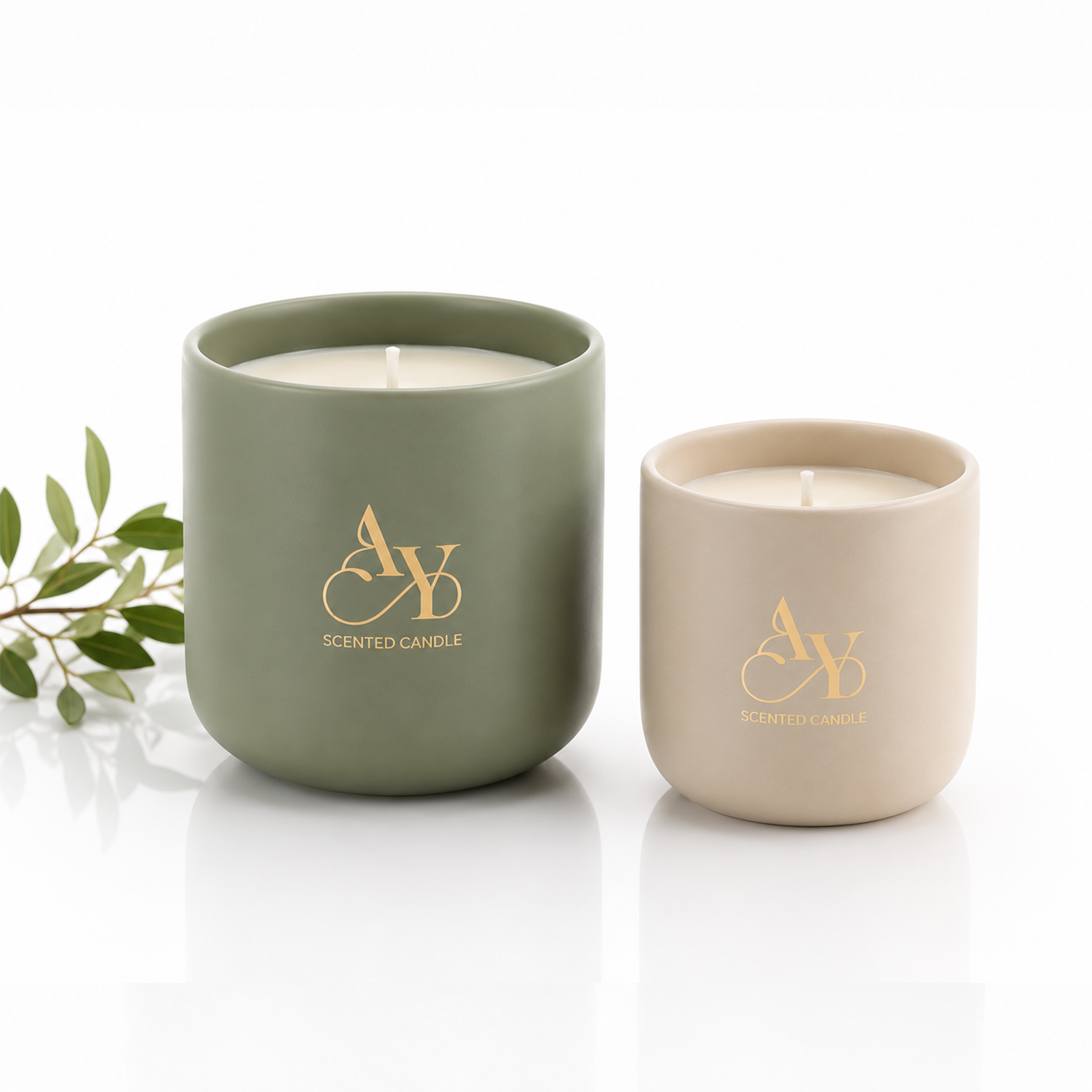
Hand Poured Aromatherapy Soy Wax Scented Candle Essential Oils Ceramic Jar
View Specifications
Colorful Tealight Candles Paraffin Wax Unscented Smokeless 10pcs Kraft Box
View Specifications
Mini Glass Jar Candles Soy Wax & Paraffin Blend Aromatherapy Candle
View Specifications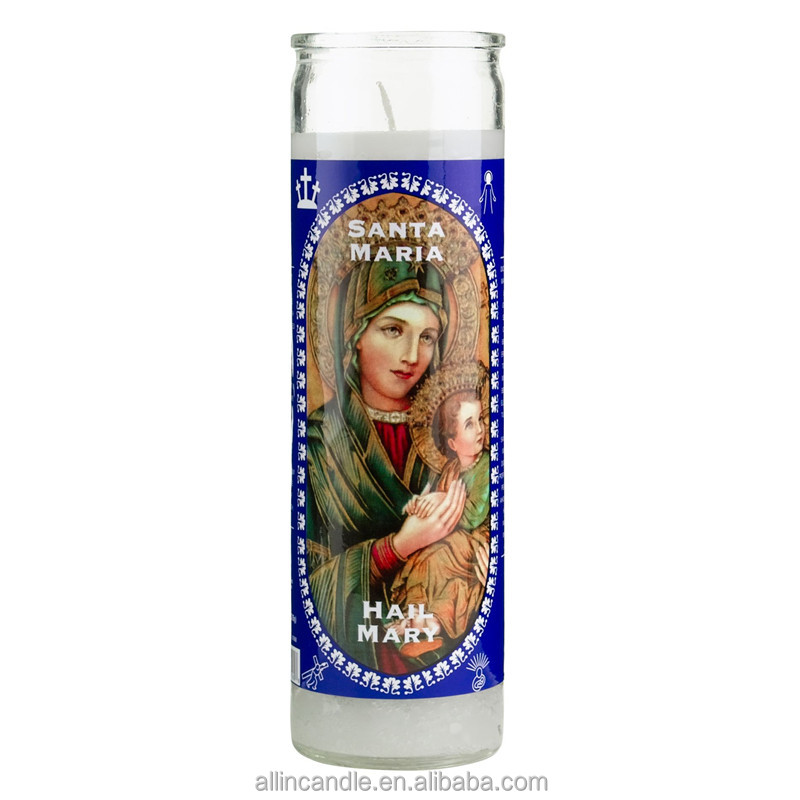
White Paraffin Glass Jar Pillar Candle 6.5x18.5cm Religious & Home
View Specifications
Custom Logo Scented Pillar Candle Smokeless Long Burning Cotton Wick
View Specifications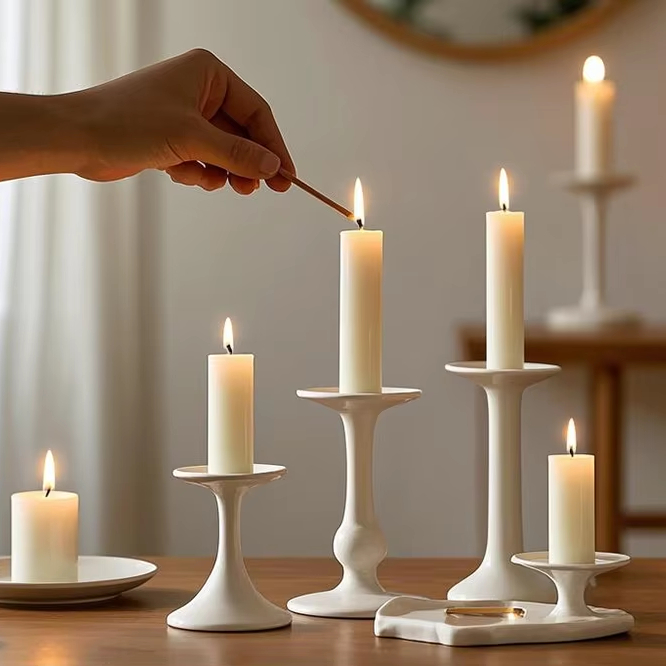
White Paraffin Taper Candles Smokeless Unscented Stick Wax 4H Burn
View Specifications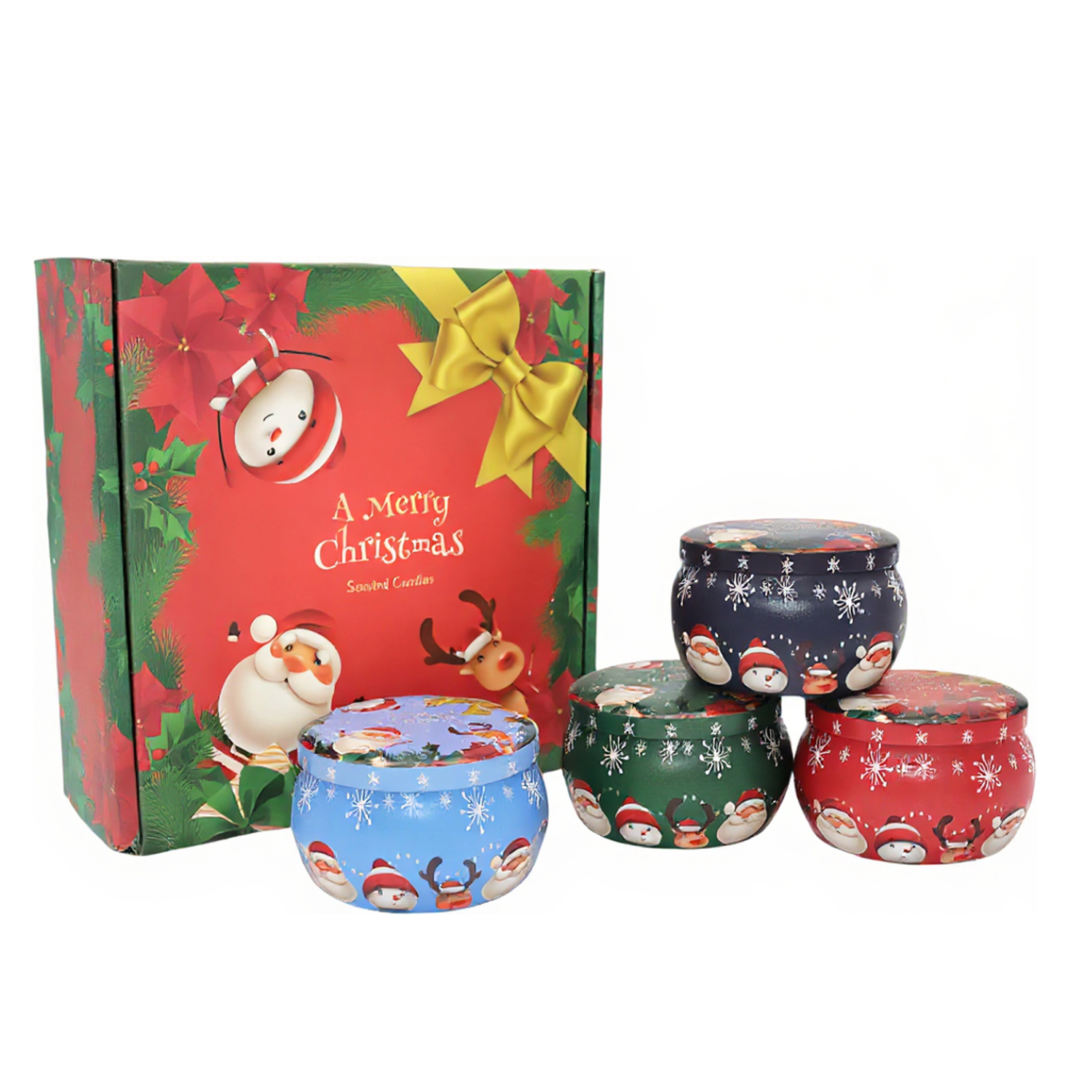
Christmas Scented Soy Wax Votive Candle Glass Jar Custom Fragrance
View Specifications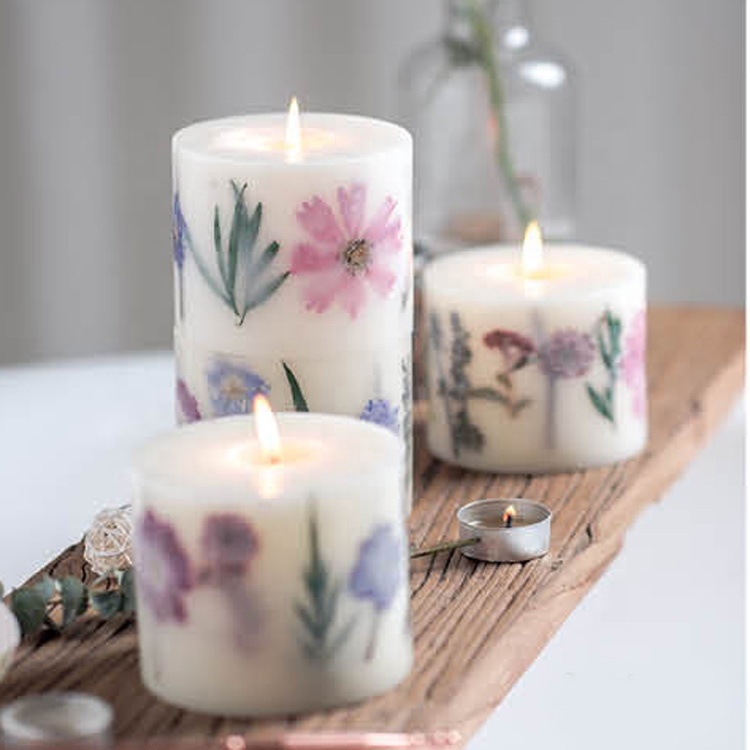
Handmade Soy Wax Pillar Candle Botanical Dried Flower Custom Scent
View SpecificationsVerified Industrial Excellence: Aoyin Jubren Candle Co., Ltd.
Combining over a decade of international trade compliance with rigorous artisanal quality control in Hebei, China.
Custom Formulation & Blend Engineering
We craft proprietary soy wax, beeswax, palm, and hydrogenated vegetable wax blends engineered for specific melting thresholds, optimal scent throw, and thermal stability during international transit.
Aromatherapeutic Essential Oil Integration
Our fragrance lab handles cold-throw and hot-throw fragrance load calibration up to 12%–15%, ensuring non-toxic, IFRA-compliant essential oil dispersion without flame instability or soot generation.
End-to-End Export & Logistics Fulfillment
Located in Shijiazhuang, Hebei, our supply chain offers seamless sea and rail freight integration through Tianjin Port, backed by seaworthy drop-tested packaging and full custom clearance documentation.
Whitepaper: Engineering Luxury Handmade Scented Candles for Global Brands
The global luxury home fragrance market has undergone a fundamental shift. Modern B2B importers, boutique lifestyle brands, and large-scale retailers no longer compete solely on visual aesthetic or price point. The contemporary consumer demands clean combustion, non-toxic raw materials, sustainable origin tracing, and superior olfactory performance. As a premier China handmade scented candles factory & supplier, Aoyin Jubren Candle Co., Ltd. bridges the gap between traditional hand-poured artisanal artistry and rigorous industrial standardizations.
1. Material Science: Soy Wax vs. Mineral Wax vs. Hybrid Matrix
The foundation of an exceptional scented candle lies in its lipid matrix. Paraffin wax, derived from petroleum refining, has historically dominated due to its low cost and high scent throw capability. However, eco-conscious consumer intent has driven massive demand toward hydrogenated vegetable waxes, predominantly soy wax, beeswax, and coconut wax blends.
Technical Information Gain: Soy wax possesses a lower melting point (typically 45°C to 52°C) compared to paraffin (56°C to 62°C). This creates a wider, deeper liquid wax pool during burning, which accelerates fragrance diffusion without requiring excessively elevated temperatures that burn off volatile scent top notes.
Our research and development team at Aoyin Jubren utilizes custom-blended botanical waxes. By compounding hydrogenated soybean oil with natural beeswax and botanical palm, we achieve structural integrity for free-standing pillar candles while retaining the smooth, creamy surface finish and clean-burning attributes expected of high-end jar candles. This hybrid engineering prevents frosting (crystallization) and sinkholes—common visual defects in pure soy wax production.
2. Wick Engineering & Capillary Fluid Dynamics
A candle flame is essentially a thermal gasification process. The wick serves as a capillary pump transferring molten wax upward into the combustion zone. Using an incorrect wick size or weave structure results in common product failures: excessive tunneling, flickering soot plumes, carbon mushrooms at the tip, or complete drowning of the flame.
We utilize 100% unbleached ring-spun cotton wicks, paper-core braided wicks, and natural wood wicks. Each wick type is matched to the vessel geometry and specific fragrance weight:
- Cotton Flat-Braided Wicks: Ideal for natural soy jar candles, offering self-trimming burn characteristics and minimal curl.
- Wooden Crackling Wicks: Selected for luxury visual appeal and acoustic ambiance, requiring precise wax pool viscosity control to maintain steady fuel draw.
- Core-Reinforced Wicks: Utilized in dense paraffin and pillar formulations to ensure vertical structural rigidity throughout extended 40+ hour burn cycles.
3. Olfactory Load Calibration & Thermal Stability
Incorporating synthetic fragrance oils or organic essential oils into molten wax alters the physical density and melting behavior of the candle base. Aoyin Jubren's laboratory conducts double-stage temperature monitoring during the pouring phase. Fragrances are introduced at precise flashpoint-calculated windows (typically 65°C–70°C) to prevent thermal degradation of subtle citrus or floral top notes prior to solidification.
Global Candle Procurement Trends: Strategic Insights for Buyers (2025–2030)
B2B buyers sourcing candles from China must align their product roadmaps with evolving regulatory frameworks and international consumer preferences. Below are the core macro trends reshaping global candle supply chains:
1. Regulatory Environmental Compliance
Strict enforcement of REACH compliance in Europe and Proposition 65 regulations in North America mandates zero phthalates, heavy metals, or benzene emissions. Importers must verify that candle factories provide certified safety data sheets (MSDS/CLP documentation) for both wax and fragrance loads.
2. Aesthetic & Botanical Inclusions
Hand-poured botanical candles incorporating real dried flowers, crystals, and textured surface embellishments are capturing premium retail margins. Manufacturing these requires semi-automated hand-assembly capabilities to prevent dried flora from igniting near the wick line.
3. Refillable & Sustainable Vessels
Brands are transitioning from single-use metal tins to heirloom ceramic containers, heavy frosted glass, and reusable cement jars. Offering refillable sand wax, bead wax, or pre-molded wax pillars extends container longevity and appeals to circular economy values.
Step-by-Step OEM/ODM Custom Scented Candle Production Workflow
Partnering with Aoyin Jubren ensures an organized transition from initial conceptual sketch to ocean freight delivery. Our factory operates a standardized six-stage manufacturing protocol:
Brief & Olfactory Profile
Client specifies candle geometry, target burn time, wax preference (Soy/Paraffin/Beeswax), vessel material, and desired fragrance notes.
Sample Development
Our lab formulates custom wax ratios, trims appropriate wicks, and creates physical pre-production samples within 5 to 7 working days.
Burn & Safety Testing
Samples undergo rigorous temperature testing, wick centering checks, scent throw evaluations, and soot soot-index analysis.
Mass Production
Upon sample sign-off, automated pouring lines handle container filling while trained technicians perform delicate hand-finishing and botanical placement.
In-Line & Final QC
Every production lot undergoes weight variance verification, visual surface inspection, container adhesion checks, and box drop tests.
Export Packaging & Cargo
Finished goods are packed into multi-layer corrugated master cartons, palletized with protective wrap, and dispatched to Tianjin Port.
Frequently Asked Questions for Wholesale Candle Procurement
Essential guidance for importers, distributors, and private-label buyers sourcing from China.
Is Aoyin Jubren Candle Co., Ltd. a direct manufacturer or a trading company?
We are a fully verified, direct candle manufacturer with an integrated export management team located in Shijiazhuang, Hebei Province, China. Our facilities employ approximately 165 skilled workers and have completed on-site supplier assessments conducted independently by SGS Group.
What is the minimum order quantity (MOQ) for custom handmade candles?
MOQs vary depending on the product line and level of customization. For glass jar scented soy candles and botanical pillars, standard MOQs range from 500 to 2,000 pieces. For bulk utility items like tealights and stick candles, MOQs range from 5,000 to 20,000 pieces. Custom project quotes are available upon request.
Can you replicate custom fragrances or match existing brand scents?
Yes. Our fragrance laboratory works with top international essential oil houses. We can match fragrance samples provided by clients or formulate bespoke olfactory profiles based on target top, middle, and base notes while maintaining strict IFRA safety standards.
What wax choices do you offer for private-label candle projects?
We work with 100% natural soy wax, beeswax, coconut wax, palm wax, refined paraffin wax, and custom hydrogenated hybrid blends. We assist buyers in selecting the optimal wax matrix based on budget, climate, vessel material, and target burn duration.
How do you prevent candles from melting or deforming during ocean transport?
We engineer wax blends with melting points customized for destination climate zones. Furthermore, our master cartons utilize heavy-duty corrugated board, insulated thermal container liners when requested, and strict palletization protocols to prevent melting or carton crushing during transit across tropical sea routes.
What export compliance certificates and documentation do you supply?
We provide comprehensive Material Safety Data Sheets (MSDS), Certificate of Analysis (CoA), SGS Factory Assessment Reports, EN 15493 / EN 15494 candle fire safety test reports, and complete commercial export documentation (Bill of Lading, Packing List, Commercial Invoice, Certificate of Origin).
Partner with China's Premier Scented Candle Factory
Ready to launch your custom candle line or scale your wholesale supply chain? Contact our engineering and export team today for technical consultations, sample requests, and competitive direct factory pricing.