Featured OEM/ODM Candle Product Portfolio
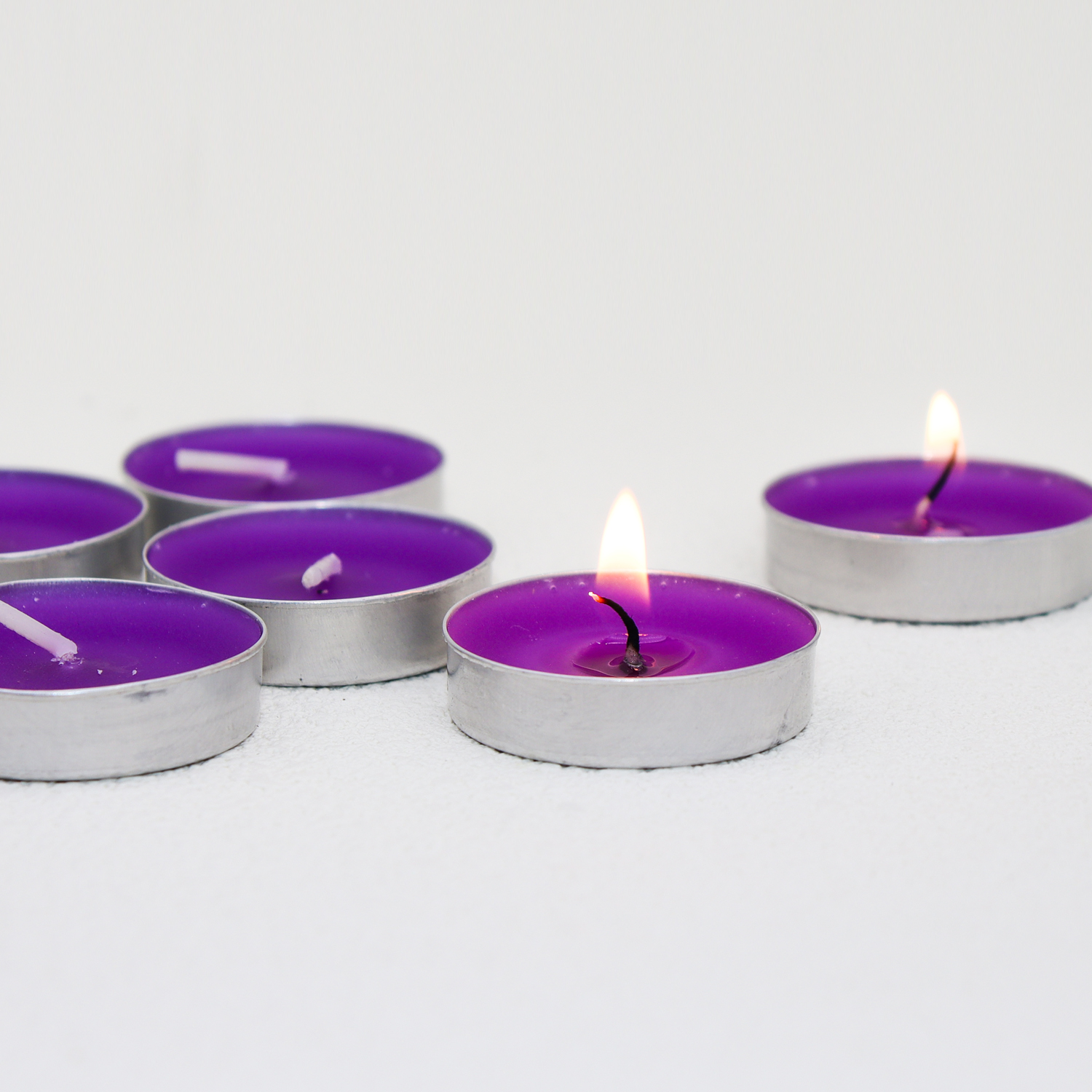
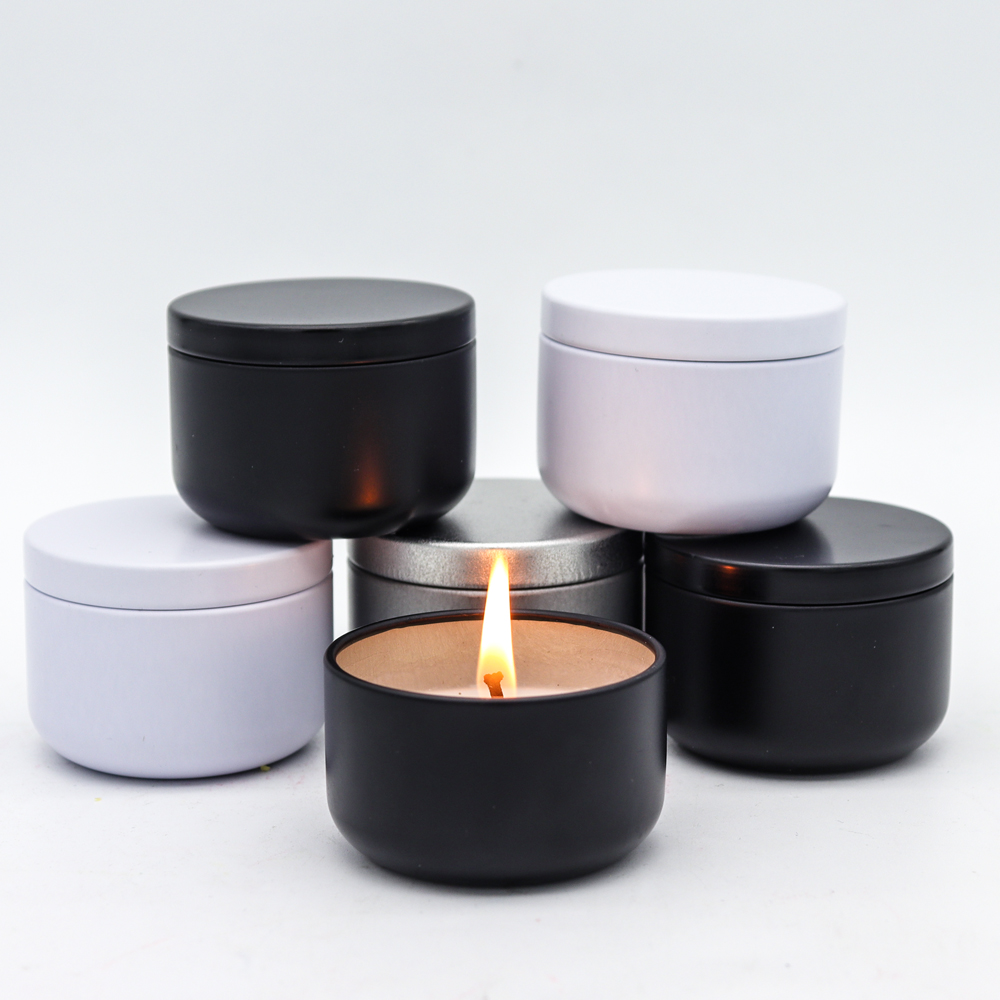
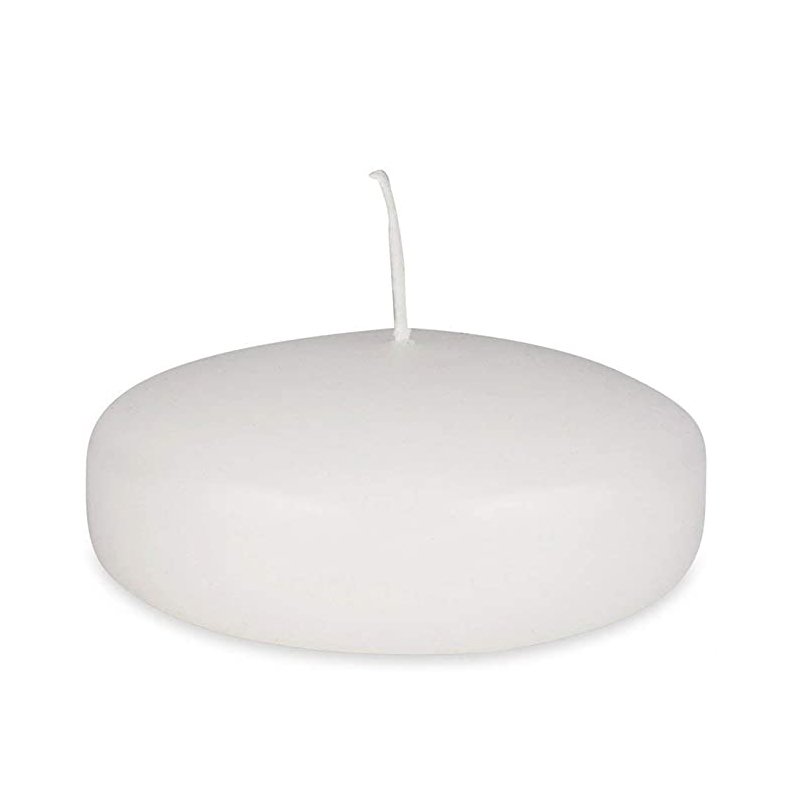
Engineered for thermal consistency, clean combustion, and compliance with international safety benchmarks. Direct factory supply with customizable wax blends, burn durations, and private-label packaging.




Enterprise Strength & Manufacturing Infrastructure
Aoyin Jubren Candle Co., Ltd. operates an advanced manufacturing plant in Shijiazhuang, Hebei, China, delivering verified quality control and massive scalability for international importers.
Rigorous Raw Material Standards
We source fully-refined paraffin wax (58°C–60°C melting point) and 100% pure botanical soy wax. Every raw batch undergoes gas chromatography testing to ensure freedom from benzene impurities, residual solvents, and heavy metals.
Automated Production Lines
Utilizing hydraulic extrusion systems for household stick candles and continuous liquid-dosing rotaries for tealights. Our automated wick-centering machinery guarantees burn symmetry and reduces human tolerance variations down to ±0.1g.
Global Compliance & SGS Verification
Our manufacturing hub in Yuting Township, Shijiazhuang has successfully passed strict on-site audits by SGS Group. We maintain compliance with EU REACH, RAL-GZ 041 quality criteria, and US ASTM F2417 fire safety specifications.
Industry Whitepaper: Future Trends in Home Lighting Candles
A analytical breakdown of material engineering shifts, regulatory evolutions, and consumer purchasing dynamics transforming the global wholesale candle sector.
The global home lighting and ambient candle market is undergoing a structural transition driven by decarbonization initiatives, consumer wellness awareness, and changing energy demands in emerging economies. Historically categorized as a basic functional utility for emergency illumination, home lighting candles have evolved into multi-functional products that blend functional reliability with aesthetic decor and therapeutic wellness.
1. Botanical & Sustainable Bio-Wax Transitions
While petroleum-derived fully-refined paraffin remains the industrial benchmark for cost efficiency and high melting points in emergency lighting candles (such as stick bougies for African markets), western consumer markets are aggressively mandating renewable alternatives. Soy wax, hydrogenated palm wax, and yellow beeswax are experiencing a compound annual growth rate (CAGR) exceeding 8.2%. Modern OEM candle factories are responding by engineering hydro-balanced hybrid waxes—combining the structural rigidity and high melting point of paraffin with the clean-burning, carbon-neutral benefits of natural soy.
2. Wick Physics & Smoke Suppression Technologies
The elimination of lead and zinc core wicks is now universally enforced across North America and Europe under ASTM F2417 and EU directives. Industrial innovation focus has moved toward 100% unbleached ring-spun cotton wicks and braided paper-core structures treated with inorganic ammonium salts. These chemical treatments retard thermal degradation at the wick base, preventing "mushrooming" (unburned carbon accumulation at the tip) and limiting particulate soot emissions below 0.15 / min under EN 15426 standard testing.
3. Smart Olfactory & High Essential Oil Loading
Decorative and home lighting scented candles now demand higher fragrance loads (ranging from 6% to 12% concentrated perfume oils) without compromising structural integrity or pool depth. Achieving this requires precise microcrystalline wax modification to lock in volatile aromatic molecules and prevent oil sweating (syneresis) during long ocean transit in standard dry shipping containers. OEM manufacturers must utilize temperature-controlled dosing tanks to prevent flash-point degradation during scent injection.
4. Automation in High-Volume Utility Candle Production
For high-volume utility lines—such as 4-hour tealights and white stick candles—factory automation is the primary driver of unit-cost reduction. Continuous rotational molding machines and automated shrink-wrapping cells allow modern plants like Aoyin Jubren Candle Co., Ltd. to output over 2,000,000 candle units daily. Automated optical inspection (AOI) systems further audit wick height, rim smoothness, and color uniformity in real time, eliminating human error in high-speed manufacturing environments.
Industrial Raw Material Comparison Matrix
Selecting the optimal wax matrix based on melting point, soot index, cost efficiency, and application requirements.
| Wax Category | Melting Point Range | Soot Index (EN 15426) | Fragrance Retention | Primary Commercial Use | Cost Benchmark |
|---|---|---|---|---|---|
| Fully Refined Paraffin | 58°C - 62°C | < 0.10 / min (Low) | Up to 6% Load | Household Stick Candles, Tealights, Pillars | Highly Economical |
| Natural Hydrogenated Soy Wax | 48°C - 54°C | < 0.03 / min (Ultra-Low) | 8% - 12% Load | Container Candles, Aromatherapy, Gift Sets | Mid - High Premium |
| Crystalline Palm Wax | 56°C - 65°C | < 0.08 / min (Low) | Up to 7% Load | Votive Candles, Decorative Feathered Pillars | Moderate |
| Refined Yellow Beeswax | 62°C - 65°C | Near Zero Soot | Natural Honey Aroma | Religious Ritual, Havdalah, Luxury Art Candles | Premium Grade |
| Pearled Sand Wax | 52°C - 56°C | < 0.05 / min (Low) | Up to 8% Load | DIY Refillable Powder Candles, Event Catering | Mid - High Specialty |
Future Procurement Trends for Wholesale Buyers
Strategic insights for procurement directors, retail category managers, and private-label brand owners sourcing candles from China.
Navigating international candle procurement requires a comprehensive balance between unit price, logistics stability, and strict regulatory compliance. As customs agencies in the EU and North America step up enforcement of chemical safety and hazardous packaging regulations, global procurement teams must adopt structured supplier evaluation protocols.
Container Space Optimization & Packaging Engineering
Freight cost remains a major factor in candle wholesale margins due to the heavy density of solid paraffin and glass container products. Leading OEM suppliers provide customized master carton engineering—utilizing 5-ply double-wall corrugated boxes with moisture-resistant inner linings. Optimizing pallet stacking layouts enables maximum weight loading per 40ft HQ container (up to 26 metric tons), significantly lowering per-unit ocean freight costs.
Private Label Turnkey Customization (ODM)
Retailers are moving away from stock commodity items toward custom branded experiences. Successful procurement programs utilize end-to-end ODM services: custom color matching via Pantone hex codes, laser-etched glass containers, custom-printed paper sleeves, and bespoke scents formulated in partnership with accredited fragrance houses (such as Mane, Symrise, or Givaudan) that comply with IFRA guidelines.
ESG Transparency & Social Audits
Western retail channels increasingly demand verified proof of fair labor practices, environmental safety, and ethical sourcing. Partnering with factories audited by third parties like SGS, BSCI, or Sedex ensures that your supply chain is resilient against import bans, brand risk, and non-compliance fines. Factory verification confirms valid wastewater management and safe melting gas emissions.
Frequently Asked Sourcing & Manufacturing Questions
Clear technical answers to help procurement managers streamline custom OEM/ODM orders and factory audits.
- Household Stick & Bougies Candles: 5,000 to 20,000 pieces (depending on weight unit, e.g., 30g - 75g).
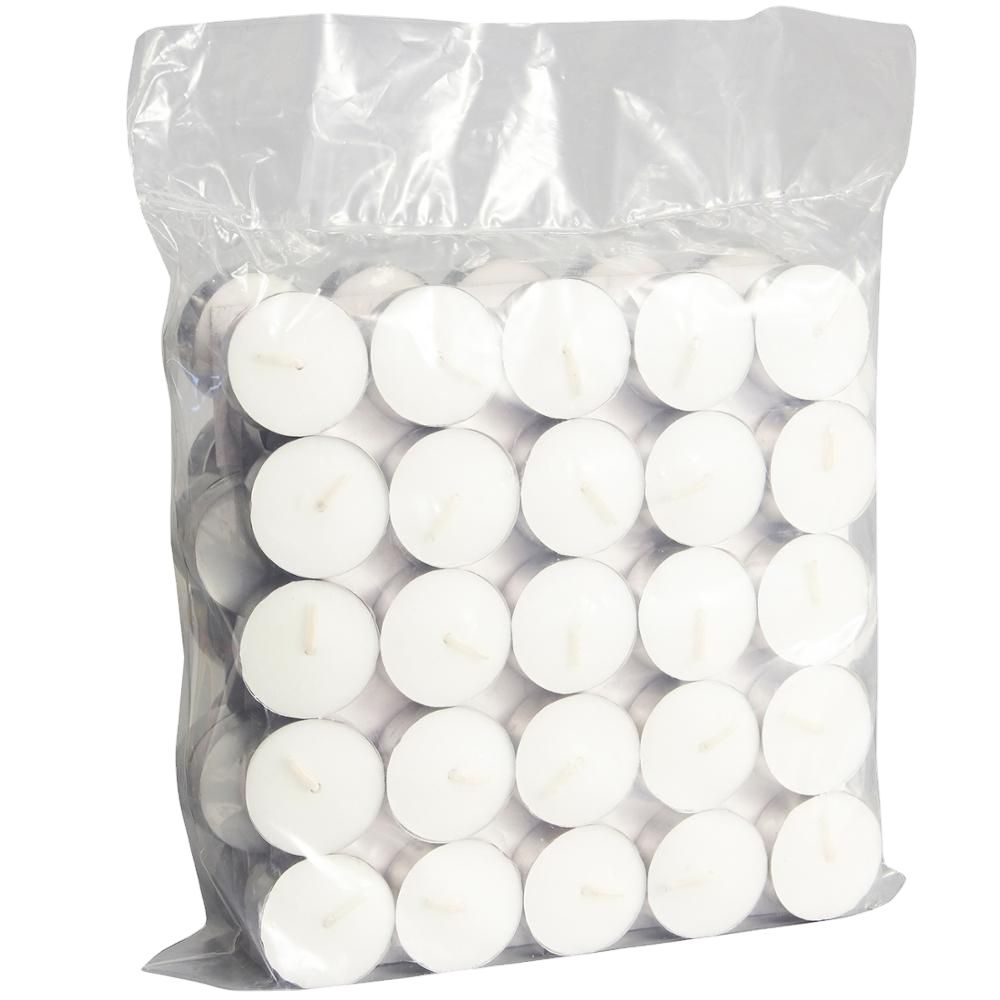
- Aluminum Cup Tealight Candles: 10,000 to 20,000 packs (50 pcs/pack standard shrink wrap).
- Scented Soy Jar & Tin Candles: 500 to 1,000 units for standard glass molds; 2,000 units for custom vessel colors.
- Pillar & Church Ceremony Candles: 500 to 2,000 pieces depending on diameter and height.
- 7-Day Glass Prayer Candles: 480 pieces (1 x 20ft container can fit approximately 2,100 master cartons).
- IQC (Incoming Quality Control): Testing raw paraffin, soy wax, wicks, and fragrance oils for purity, flash point, and moisture.
- IPQC (In-Process Quality Control): Hourly weight audits, automated temperature checks in liquid dosing tanks, and continuous monitoring of wick alignment.
- FQC (Final Quality Control): Test burning 1% of every production batch in controlled draft-free test chambers to measure burn rate (g/hr), flame height, and smoke performance.
- OQC (Outgoing Quality Control): Carton drop testing, carton sealing inspection, and pallet load stability verification before sealing the container.
Ready to Partner with a Verified Candle Factory?
Consult with our export engineering team to request wholesale price lists, request custom OEM/ODM samples, or arrange a virtual factory tour of our Hebei manufacturing hub.
Contact Us