Featured Wholesale Eco-Friendly & Commercial Candles
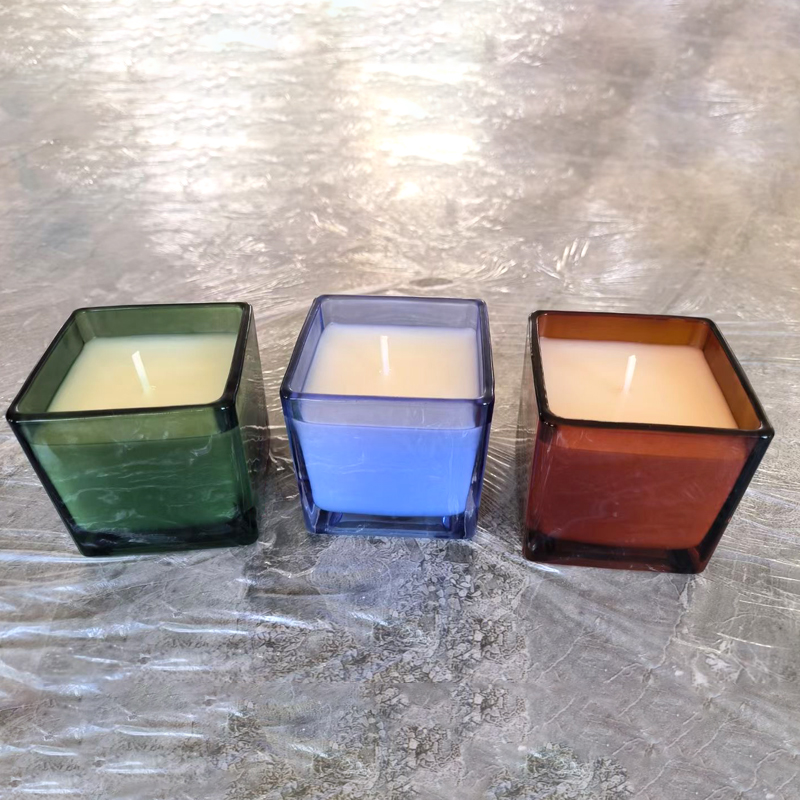
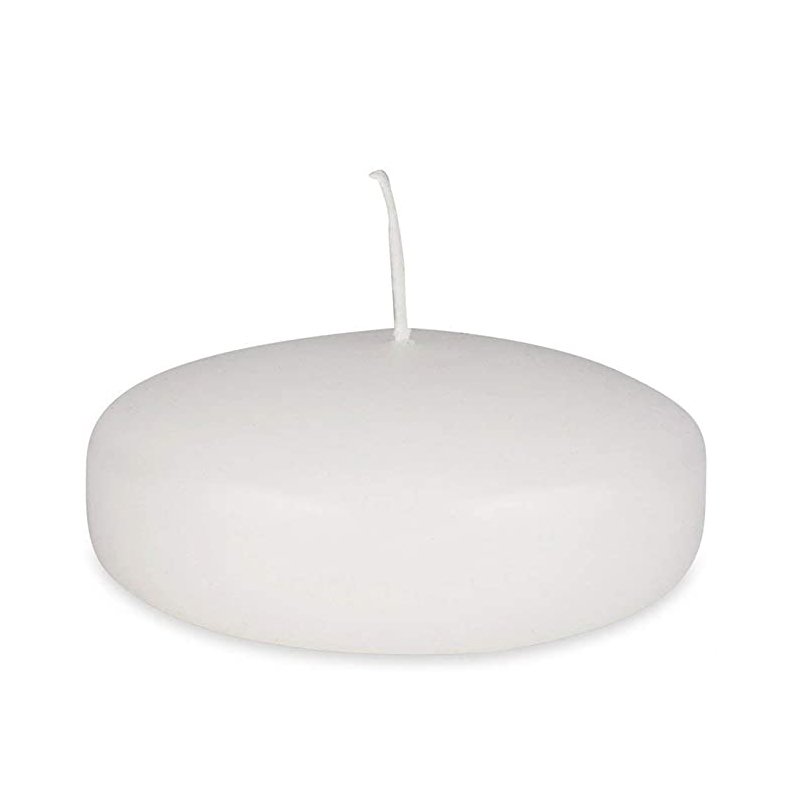
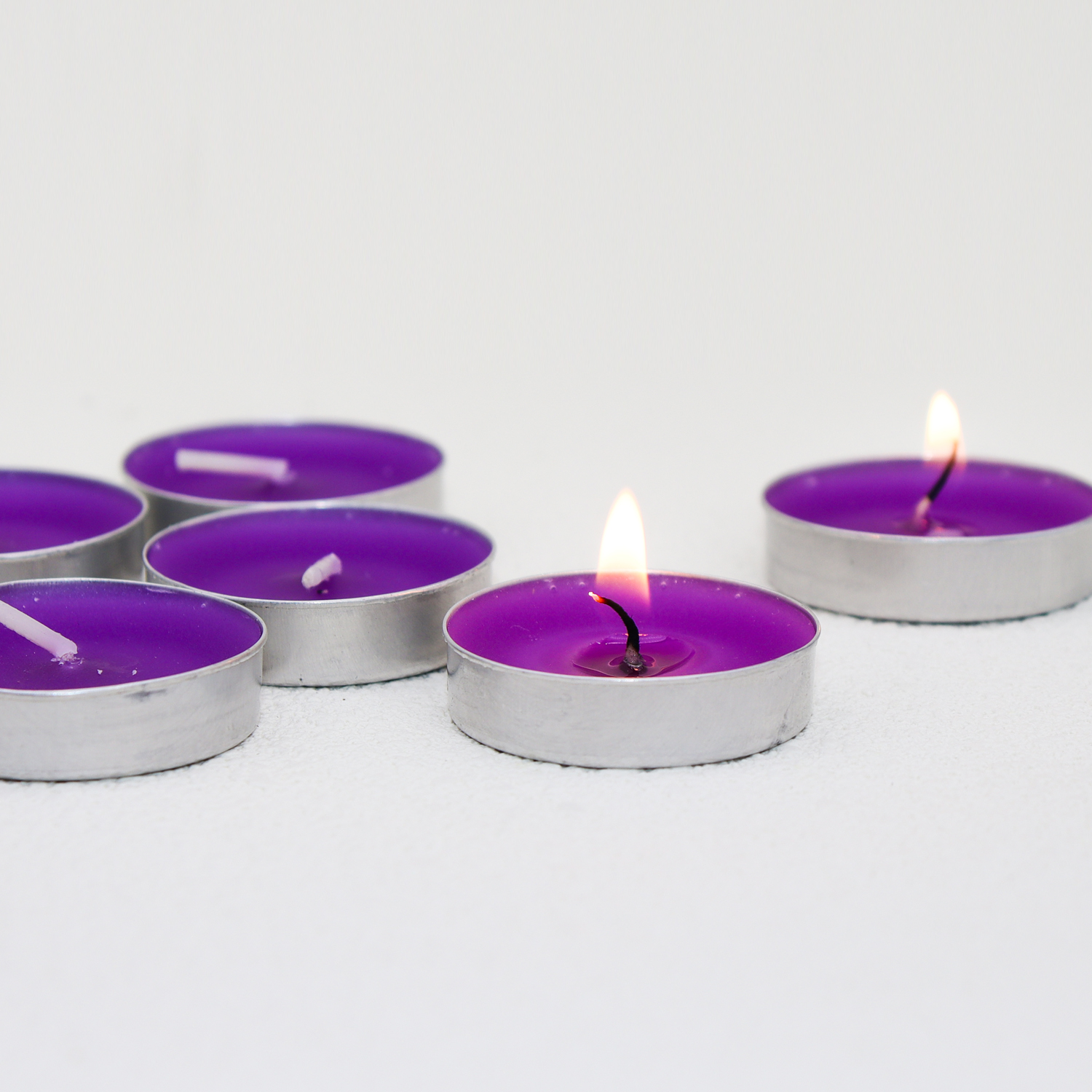
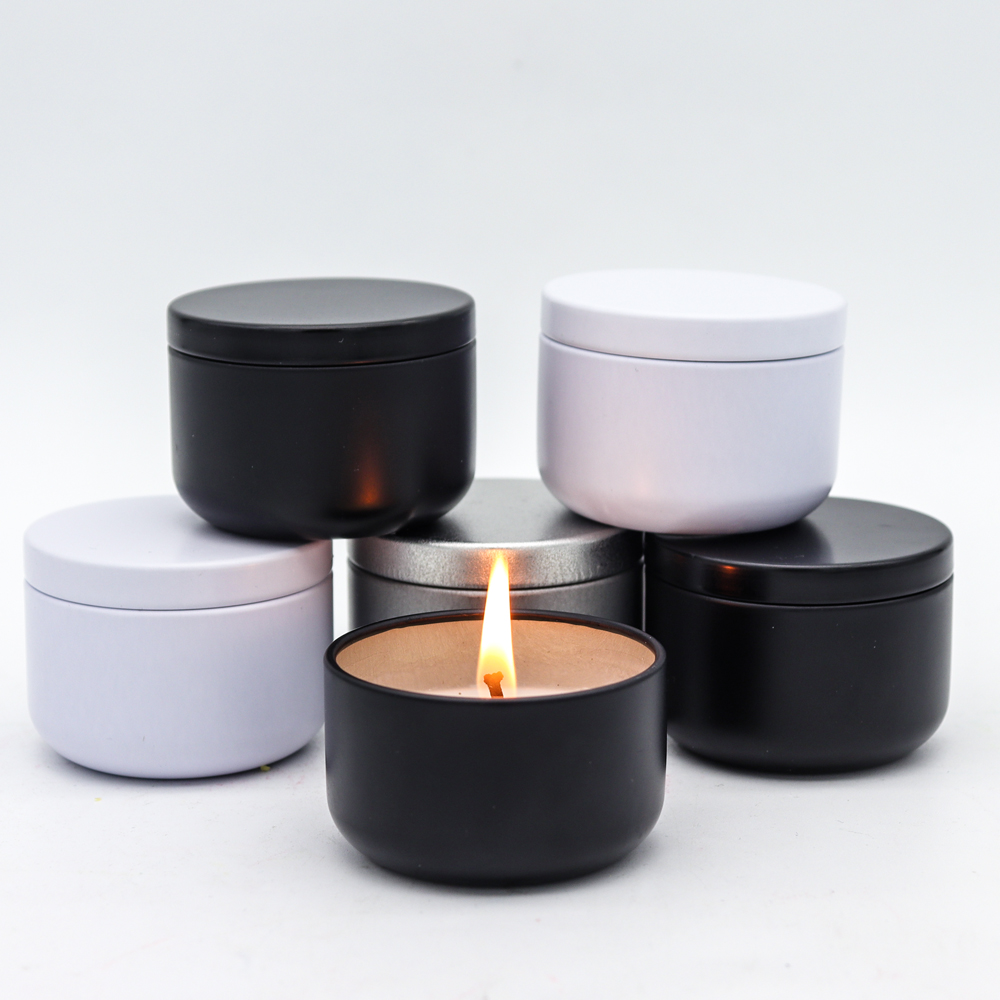
Explore our top-tier catalog of eco-conscious, custom-designed, and high-performance wholesale candles. Each SKU is engineered for clean combustion, extended burn hours, and seamless private-label branding.


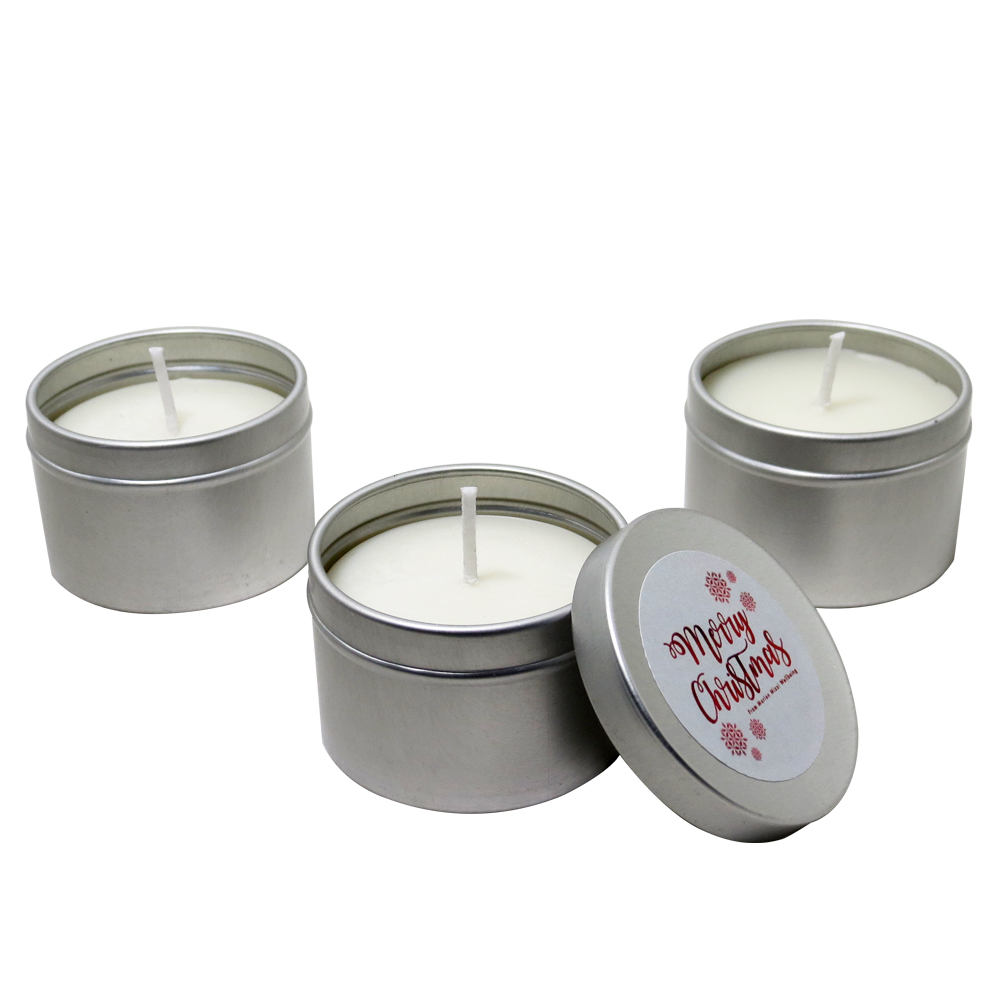
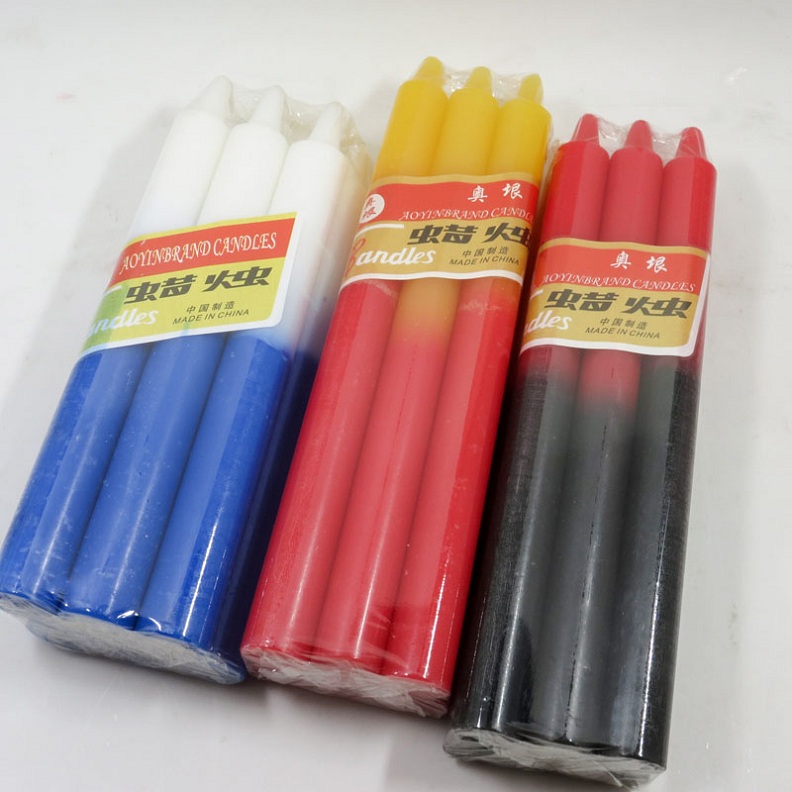
1. The Global Eco-Friendly Candle Market: Structural Growth & Industry Dynamics
The global candle market is undergoing a major shift. Driven by heightened consumer awareness regarding indoor air quality, environmental sustainability, and holistic wellness, commercial buyers and retail brand managers are moving away from traditional petroleum-based wax products toward renewable, plant-derived candle solutions. According to market research, the global eco-friendly candle segment is projected to grow at a Compound Annual Growth Rate (CAGR) of over 6.8% through 2030, outpacing the traditional home fragrance sector.
Historically, paraffin wax dominated mass manufacturing due to its low cost and ease of processing. However, refined paraffin combustion emits volatile organic compounds (VOCs) such as benzene and toluene when improperly formulated. Consequently, regulatory bodies across North America (EU REACH compliance, US ASTM F2179, and California Proposition 65) have established strict indoor emission standards. Procurement directors now prioritize suppliers capable of offering certified natural waxes—including hydrogenated soybean oil (soy wax), coconut wax, RSPO-certified palm wax, and pure yellow/white beeswax.
To successfully capture consumer demand in Western Europe, North America, and Australia, brands are establishing clean-label candle lines. This transition requires working directly with verified original equipment manufacturers (OEMs) and original design manufacturers (ODMs) who possess advanced formulation labs, automated pouring infrastructure, and rigorous batch quality control protocols.
2. Material Science: Evaluating Eco-Friendly Waxes vs. Traditional Formulas
Selecting the ideal wax substrate directly impacts burn profile, cold/hot scent throw, flame stability, and carbon neutrality. Below is a comparative technical analysis for procurement specialists:
| Wax Substrate | Source & Sustainability | Melting Point Range | Scent Throw Efficiency | Combustion Cleanliness | Best B2B Application |
|---|---|---|---|---|---|
| 100% Soy Wax | Renewable Soybean Oil (Non-GMO options) | 45°C – 52°C | Excellent Cold / Moderate Hot | Virtually Soot-Free, Low VOC | Container Candles, Aromatherapy Jars, Travel Tins |
| Beeswax | Natural Apiary By-Product | 62°C – 65°C | Subtle Honey Aroma (Natural) | Purifies Air via Negative Ions | Luxury Pillars, Religious Tapers, Sculptural Art |
| Coconut Blend | Hydrogenated Coconut Oil & Botanical Fats | 38°C – 50°C | Superior Hot Scent Throw | Ultra-Clean Burn, Minimal Residue | High-End Luxury Brands, Multi-Wick Vessels |
| RSPO Palm Wax | Certified Sustainable Palm Oil | 54°C – 60°C | Good Fragrance Retention | Crystallized/Feathered Aesthetic | Votives, Pillars, Church & Religious Candles |
| Refined Paraffin | Petroleum Hydrocarbon Refining | 48°C – 68°C | High Fragrance Binding Capacity | Requires Precise Wick Tuning | Budget Emergency Sticks, Utility Tealights |
3. Future Procurement & Product Development Trends
To maintain a competitive advantage, B2B candle buyers must align their supply chain strategy with emerging market demands and technological shifts over the next decade.
Hybrid Bio-Wax Formulations
Manufacturers are blending soy, coconut, and botanical waxes to raise melting points while retaining clean-burning benefits. This prevents candle surface sweat during ocean freight transport through tropical shipping lanes.
Clean Fragrance & IFRA 50th Standards
Fragrance oils are strictly evaluated for allergen limits, phthalate-free composition, and essential oil purity. Commercial brands demand full documentation including MSDS, IFRA Certificates, and Allergen Statements for seamless customs clearance.
Circular & Refillable Packaging
Zero-waste consumer preferences are driving orders for reusable glass, metal travel tins, and refillable wax pearls. Packaging designs now utilize FSC-certified paperboard, biodegradable soy-based inks, and zero plastic shrink wrap.
4. Strategic Evaluation: Top 10 Eco-Friendly Candle Suppliers & Wholesalers Benchmarking
When curating a list of elite candle manufacturing partners, professional purchasing teams evaluate factory floor capacity, raw material sourcing transparency, certification compliance, and private-label flexibility. Below is an evaluation matrix representing the key supplier categories across global supply chains:
Tier 1: High-Volume Industrial OEM/ODM Manufacturers (China Lead: Aoyin Jubren Candle Co., Ltd.)
Operating out of major manufacturing hubs like Shijiazhuang, Hebei, Tier 1 facilities combine massive daily production capacity (multi-line automated pouring machines) with stringent export QA protocols. Facilities in this class, such as Aoyin Jubren Candle Co., Ltd., excel at serving high-volume retail buyers, major supermarket chains, and global importers requiring custom tealights, stick candles, and private-label soy jar collections.
Tier 2: Specialized European Luxury Artisanal Producers
Located primarily in France, Italy, and the UK, these suppliers specialize in high-concentration fine fragrance pouring, mouth-blown crystal vessels, and heritage branding. While offering premium finishing, their minimum order quantities (MOQs) are high and unit production costs can be 300% to 500% higher than Asian manufacturing hubs.
Tier 3: North American Boutique Private-Label Hand-Pourers
US and Canadian boutique suppliers offer quick turnarounds for local domestic brands. However, they rely heavily on imported raw materials (containers, wicks, fragrance compounds) which limits scalability for international wholesale buyers seeking end-to-end supply chain integration.
Tier 4: Regional Niche & Religious Candle Factories
Factories focused specifically on devotional, church, and cultural candles (e.g., West African stick bougies, Hanukkah candles, 7-day glass novena candles). These suppliers prioritize low cost per unit, flame stability, long burn times, and specialized shipping packaging.
5. Why Sourcing Directors Partner with Aoyin Jubren Candle Co., Ltd.
As a verified manufacturer based in Shijiazhuang, Hebei, China, Aoyin Jubren Candle Co., Ltd. bridges the gap between cost efficiency and sustainable product design.
SGS On-Site Assessed & Verified Factory
Our production facilities, workforce of 165+ skilled technicians, and quality control management systems are independently audited and verified on-site by SGS Group.
11+ Years of Global Export Expertise
We possess over a decade of experience shipping containers across North America, Europe, West Africa, and the Middle East, handling customs documentation and seaworthy packaging.
Full OEM / ODM Customization Capabilities
From wax blend formulation (soy, palm, paraffin, beeswax) and custom scent matching to bespoke container colors, screen printing, and FSC-certified retail packaging.
Rigorous Quality Assurance & Wick Centering
Every production lot undergoes rigorous raw material testing, lead-free cotton wick centering, combustion soot evaluation, and transit vibration test simulations.
6. Frequently Asked Questions (FAQ) for Wholesale Sourcing
Clear answers to common questions asked by supply chain managers, private-label brands, and wholesale buyers.
We are a verified candle manufacturer with an integrated international export department based in Shijiazhuang, Hebei, China. Our facilities employ approximately 165 people and have passed on-site supplier verification by SGS Group.
MOQs vary depending on product category: ~480 units for 7-day glass jar candles, 500 to 2,000 units for pillar, scented soy jar, and art candles, and 5,000 to 20,000 units for high-volume tealight and household stick candles.
Yes. We specialize in comprehensive OEM/ODM services. We can match Pantone colors, formulate custom fragrance blends compliant with IFRA standards, print private-label boxes, and customize vessel branding.
We use 100% natural braided cotton or eco-friendly wooden wicks. Our raw waxes are thoroughly filtered and tested for purity, ensuring minimal soot formation, stable burn rates, and zero heavy metal emissions.
Sample creation typically requires 5–7 business days. Mass production lead times generally range from 20 to 35 days post sample approval and deposit confirmation, depending on order complexity and container volume.
You can directly click the "Get a Quote" button on any product card or submit your detailed project parameters (target wax type, dimensions, scent, quantity, and delivery port) to connect with our export team.
Ready to Upgrade Your Sustainable Candle Supply Chain?
Partner directly with an SGS-assessed manufacturer. Contact our engineering and export team today to receive tailored product specifications, wholesale price lists, and custom sampling options.