Factory Direct Product Catalog
Explore engineered long-burning candle solutions manufactured for global wholesale importers, commercial brands, and bulk retail supply chains.
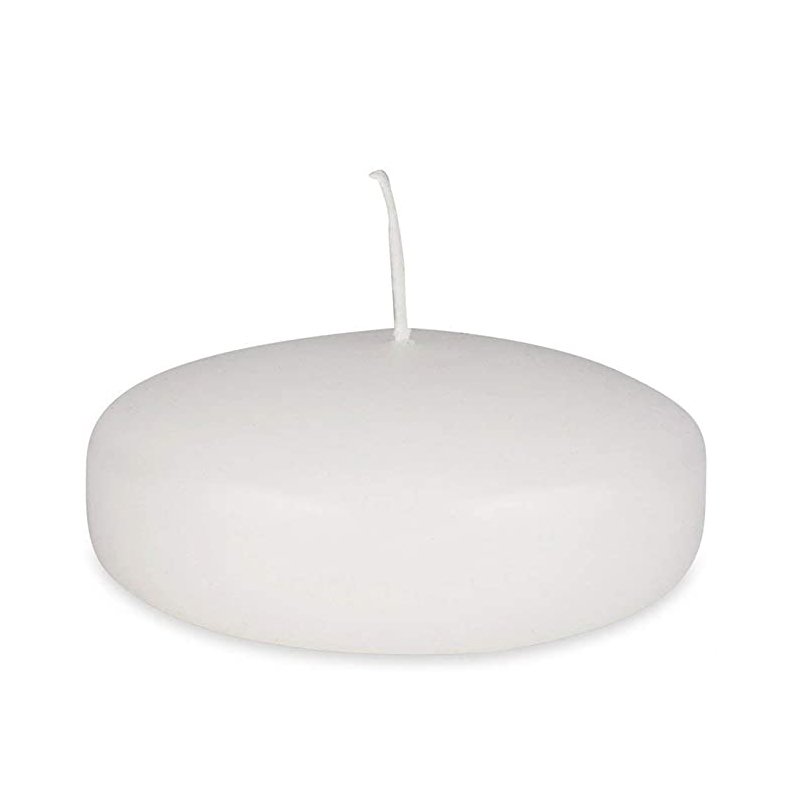
White Paraffin Wax Floating Candle Unscented Water Float Votive Candle for Christmas Wedding Party Decoration
View Product Specifications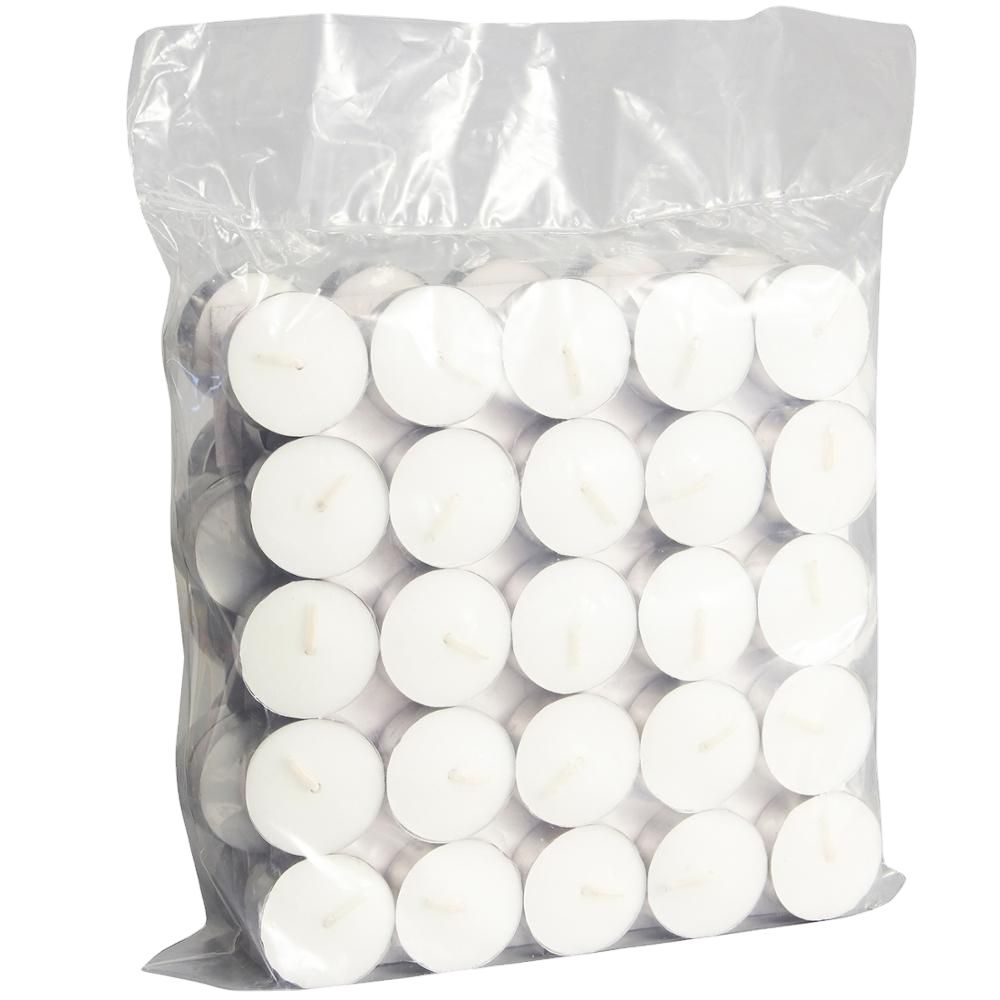
Unscented Paraffin Tea Lights Smokeless Round White Candles 4 Hour Burn 20 50 100PCS for Bars
View Product Specifications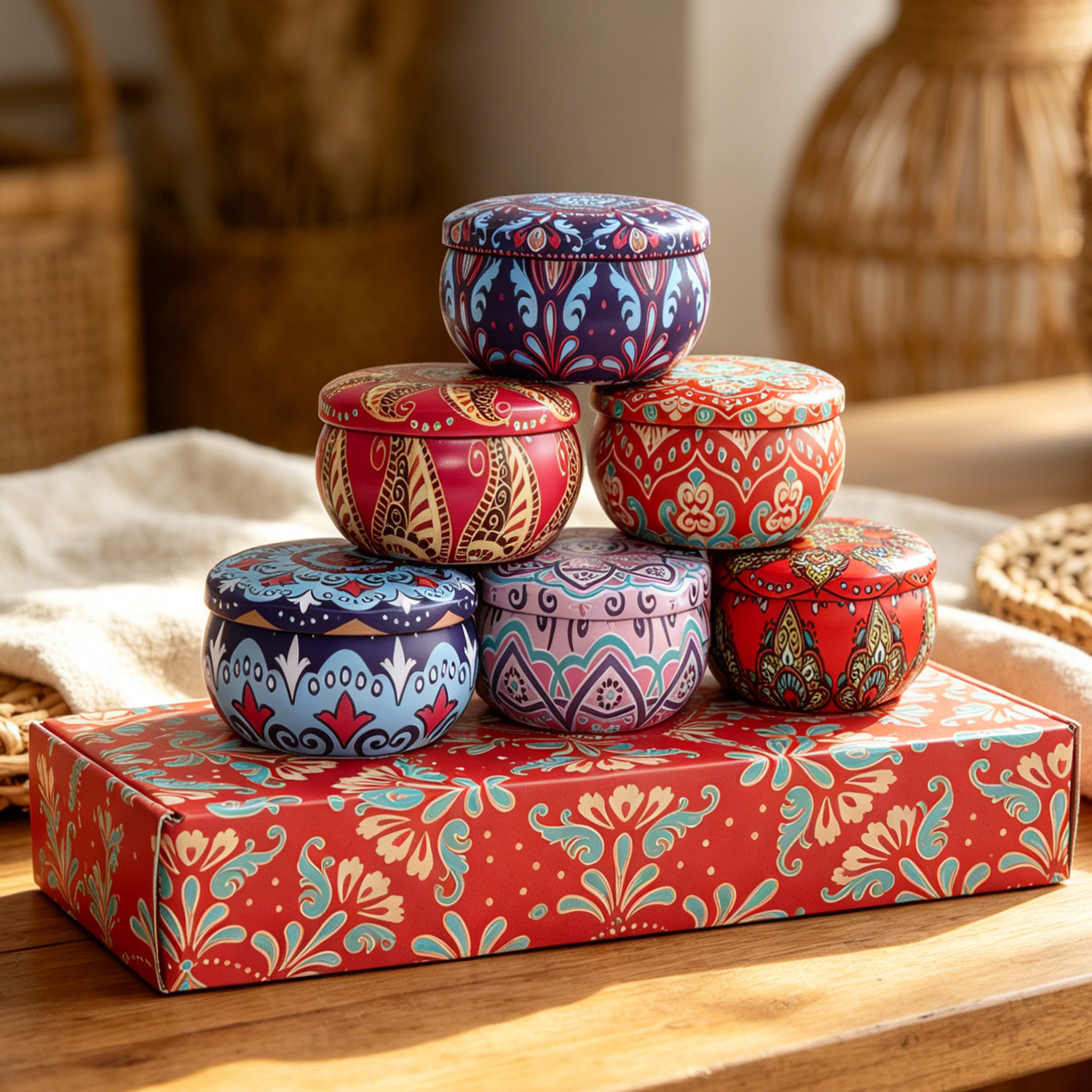
Handmade Scented Soy Wax Tin Candles 2.2oz 50g Round Metal Container Single Wick Custom Fragrance Packaging for Travel
View Product Specifications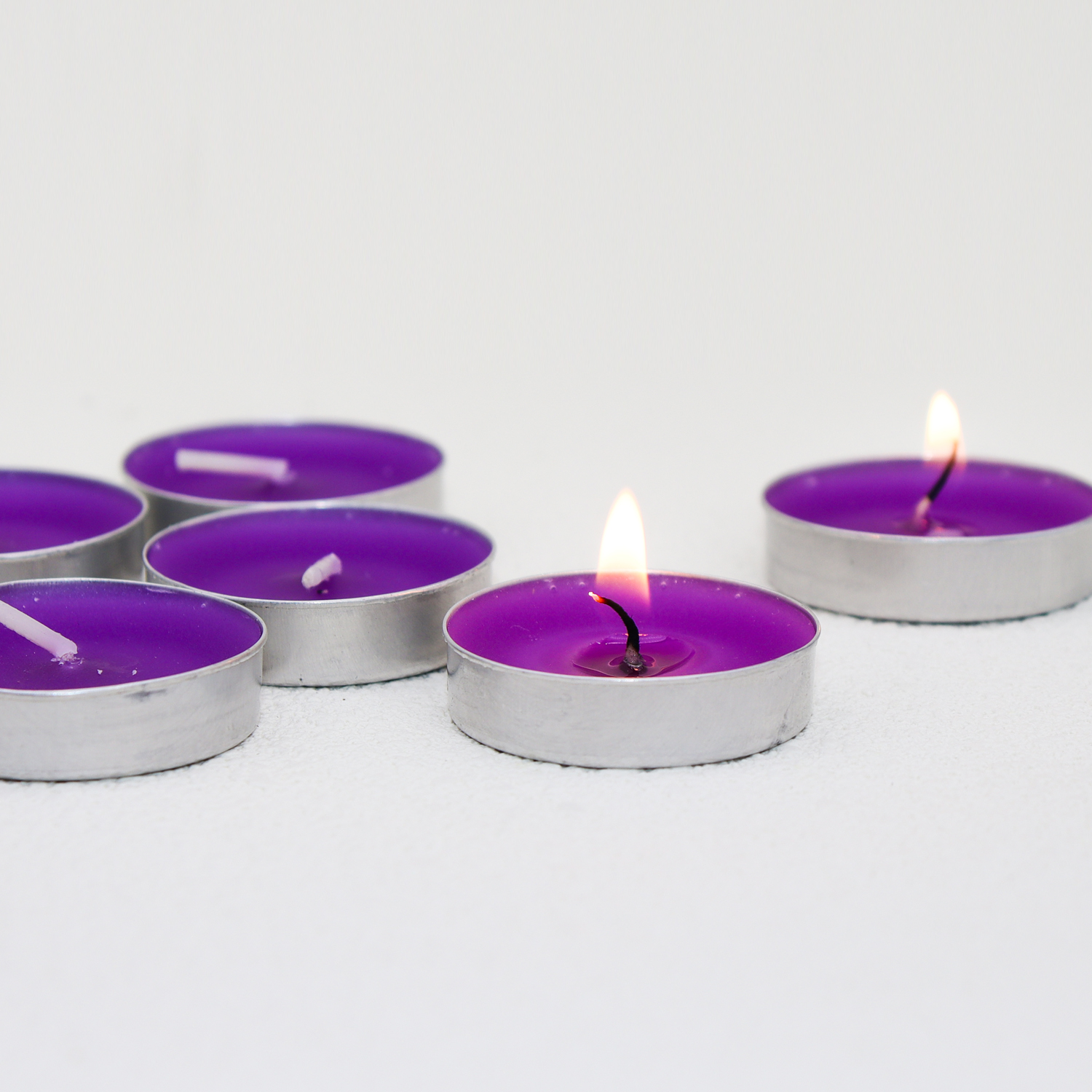
Custom Color Tealight Candles Purple Votives 50 Pcs Box for Wedding Party Diwali Decor
View Product Specifications
Colorful Tealight Candles Paraffin Wax Unscented Smokeless Tea Lights 10pcs Kraft Paper Box for Parties Weddings
View Product Specifications
Benin Market Candle Factory Supply Household White Stick Candles/Bougies for Home Lighting
View Product Specifications
Mini Glass Jar Candles Soy Wax Paraffin Wax Scented Aromatherapy Candle Smokeless Long Burning Party Wedding Home Decoration
View Product Specifications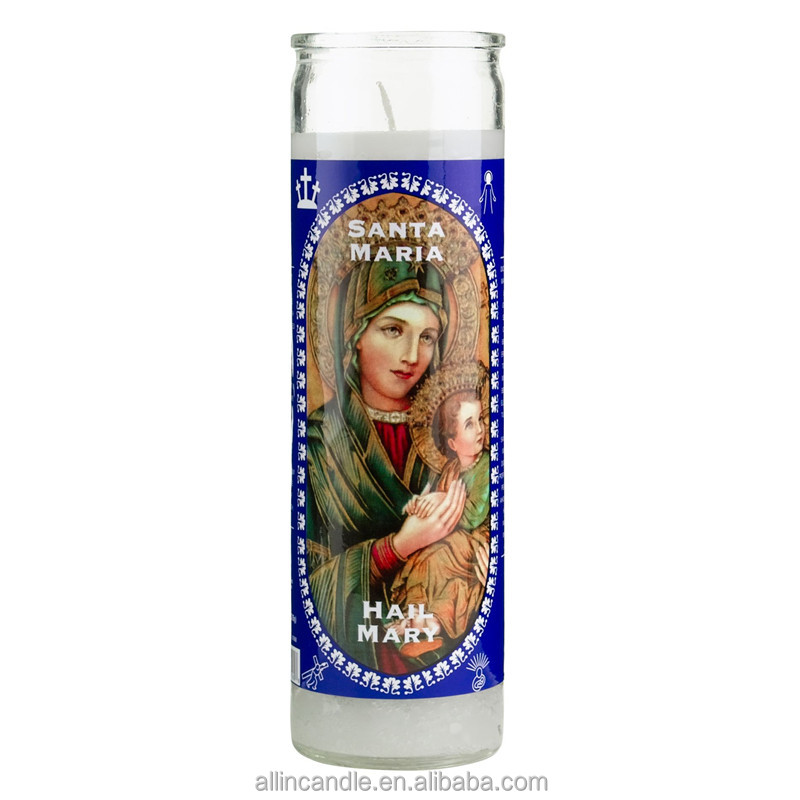
White Paraffin Wax Glass Jar Pillar Candle 6.5 x 18.5cm Fruity Scented Prayer Church Religious Activities
View Product SpecificationsFactory Verification & Core Manufacturing Metrics
Benchmarking Aoyin Jubren Candle Co., Ltd. against global B2B supplier standards.
1. Industry Information Gain: The Thermal Engineering Behind "Long Burning" Candles
In the global procurement landscape, the designation of a "Long Burning Candle" extends far beyond marketing phraseology. It represents a precise balance of chemical engineering, wick mechanics, raw material purity, and ambient heat distribution. As global distributors shift focus toward margin optimization and product reliability, Chinese candle manufacturers have evolved from low-cost casting workshops into sophisticated chemical processing hubs.
At the center of this industrial transformation is Aoyin Jubren Candle Co., Ltd., headquartered in the established manufacturing corridor of Shijiazhuang, Hebei Province. With over 11 years of international trade execution, 165 specialized workers, and an on-site audit certification from SGS Group, Aoyin Jubren exemplifies the modern Chinese OEM paradigm: scientific wax formulation paired with high-volume automated production.
2. Material Science: Raw Wax Formulations & Burn Kinetics
The operational longevity of a candle flame is strictly governed by the rate of hydrocarbon capillary consumption through the wick. Leading Chinese factories optimize burn times by adjusting the microcrystalline and phase-change dynamics of their wax blends:
| Wax Category | Melting Point Range | Capillary Rate (g/hr) | Core B2B Procurement Use Case |
|---|---|---|---|
| Fully-Refined Paraffin (58/60) | 58°C - 60°C | 2.1g - 2.5g | High-density household sticks, tea lights, religious pillars |
| Hydrogenated Soy Wax Blend | 48°C - 52°C | 1.6g - 1.9g | Private-label scented jars, luxury aromatherapy tins |
| Refined Palm Wax (Crystalline) | 56°C - 62°C | 2.0g - 2.3g | Pillar candles, eco-conscious votives, tropical climate export |
| Natural Pure Beeswax | 62°C - 65°C | 1.2g - 1.5g | Artisan ritual tapers, Havdalah candles, premium wellness lines |
To achieve extended burn performance—such as an 8-hour tea light or a 7-day glass votive—the factory controls the oil content of the wax to under 0.5%. Lower oil content prevents rapid melting and guttering, ensuring that the pool of molten wax remains tight around the wick core, feeding the flame steadily without excess soot or thermal waste.
3. Wick Physics & Precision Assembly
A long-burning candle fails if the wick carbonizes prematurely (mushrooming) or drowns in its own wax pool. Advanced factories implement specialized wick selection algorithms based on vessel geometry and wax density:
- Unbleached 100% Ring-Spun Cotton Wicks: Used primarily in household stick candles and tea lights to deliver a neutral flame profile with zero zinc or lead emissions.
- Flat-Braided Directional Wicks: Designed to curl slightly into the outer edge of the flame as they burn, creating a self-trimming mechanism that stabilizes oxygen intake.
- Flat Wooden Wicks: Engineered for container candles, creating a wider heat distribution zone that prevents tunneling in wide-diameter soy jars.
OEM & ODM Manufacturing Capabilities
Flexible customization architecture built for brand owners, volume importers, and retail chains.
Custom Wax Blending
Proprietary compounding of paraffin, soy wax, palm, and beeswax. Melting points tailored specifically to regional climates (e.g., heat-stabilized formulas for West African & Middle Eastern transit).
Full OEM/ODM Branding
From minor label branding to completely custom-molded glass, ceramic, or tin containers. Design options include custom box graphics, shrink wrap configurations, and barcode serialization.
Rigorous In-Line Quality Control
On-site raw material testing, melt-rate verification, wick centering calibration, and thermal stability checks. Inspected under verified SGS quality control frameworks.
Automated Production Lines
Continuous rotary pressing for tea lights and extruded pressure molding for household stick candles, maximizing output volume while maintaining structural density.
Global Export & Trade Expertise
Over a decade servicing key import markets across West Africa (Nigeria, Benin, Ghana), North America, Europe, and the Middle East, with specialized sea-freight packaging.
Future Procurement Trends: The Next Horizon for Candle Sourcing
As sustainability regulations intensify across Europe (REACH, EN 15493, EN 15494) and North America (ASTM F2417), B2B buyers must align with factories capable of adapting to rapid structural shifts in the market:
1. Shift Toward Clean-Burning Plant-Based Matrices:
While paraffin remains the dominant, cost-effective standard for household emergency lighting and high-volume prayer candles, retail brands are shifting toward bio-derived waxes. Expect growing demand for soy-palm-beeswax hybrids that offer paraffin-like hardness and burn longevity with zero petroleum footprint.
2. Climate-Resilient Logistics Packaging:
Rising global temperatures mean transcontinental ocean freight inside metal shipping containers can reach interior temperatures over 60°C. Modern factories are engineering higher melting-point outer shells (casing wax) and employing thermal-reflective carton liners to guarantee candles arrive without softening or deformation.
3. Micro-Fragrance Encapsulation & Cold Olfactory Throw:
For scented container lines, buyer expectations are shifting toward high fragrance loads (8% - 12% essential oil blends). Advanced manufacturing requires cold-pouring processes that prevent volatile aromatic top notes from burning off during filling.
4. Automated OEM Traceability & Regulatory Compliance:
Global retail buyers are demanding strict heavy-metal certifications for wicks, soot emission compliance, and full supply-chain transparency. Working with audited facilities like Aoyin Jubren ensures seamless customs entry and market safety compliance.
Frequently Asked Questions for Wholesale Buyers
Clear technical insights to streamline your OEM/ODM vendor evaluation process.
Partner with China's Premier Long Burning Candle Manufacturer
Whether you are launching a private-label scented collection, securing high-density emergency stick supply, or expanding your wholesale catalog—our engineering team is ready to deliver.