High-Demand Wholesale Paraffin & Specialty Candles
Direct from our SGS-assessed production lines in Hebei, China. Fully customizable specs, burn profiles, and private-label packaging for international importers.

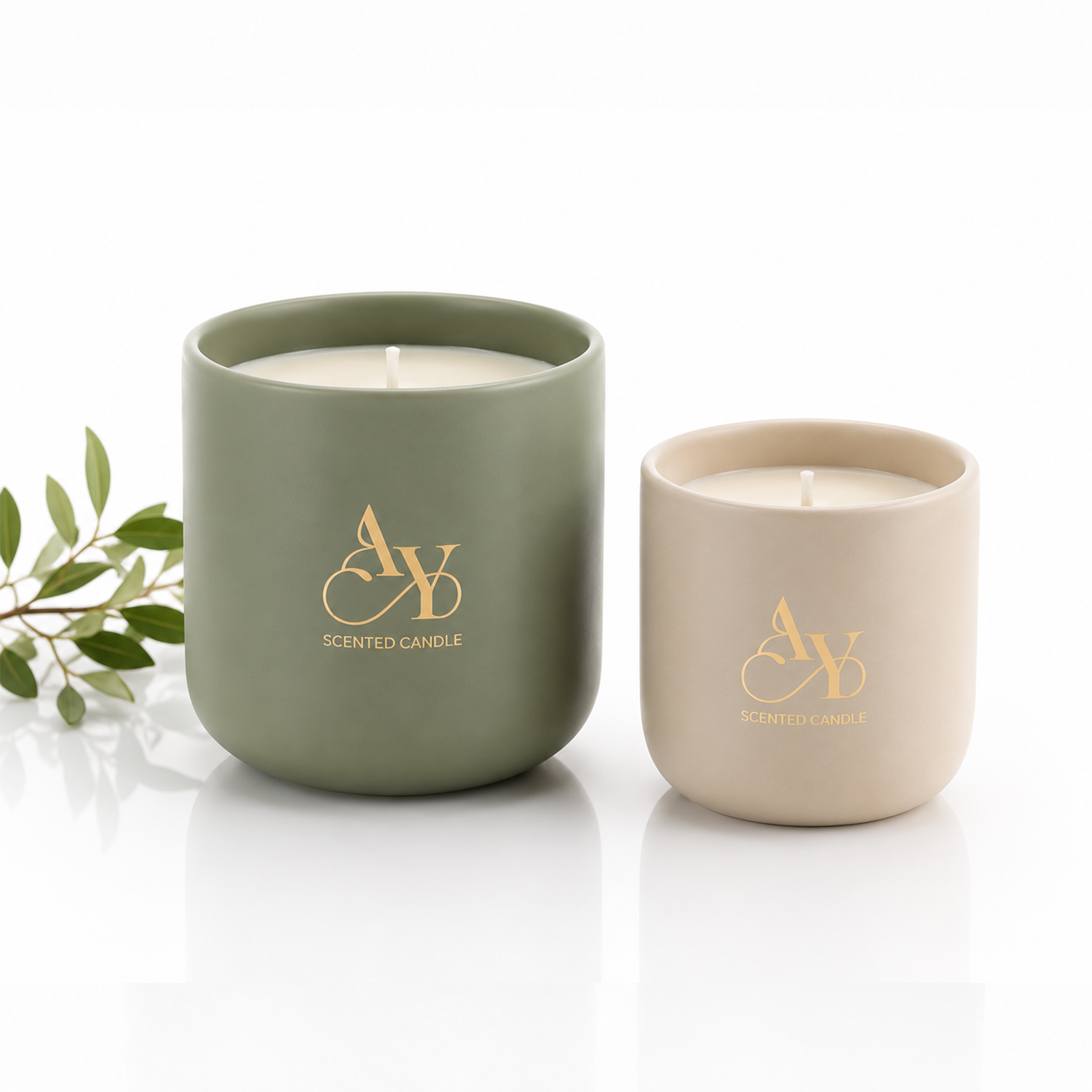
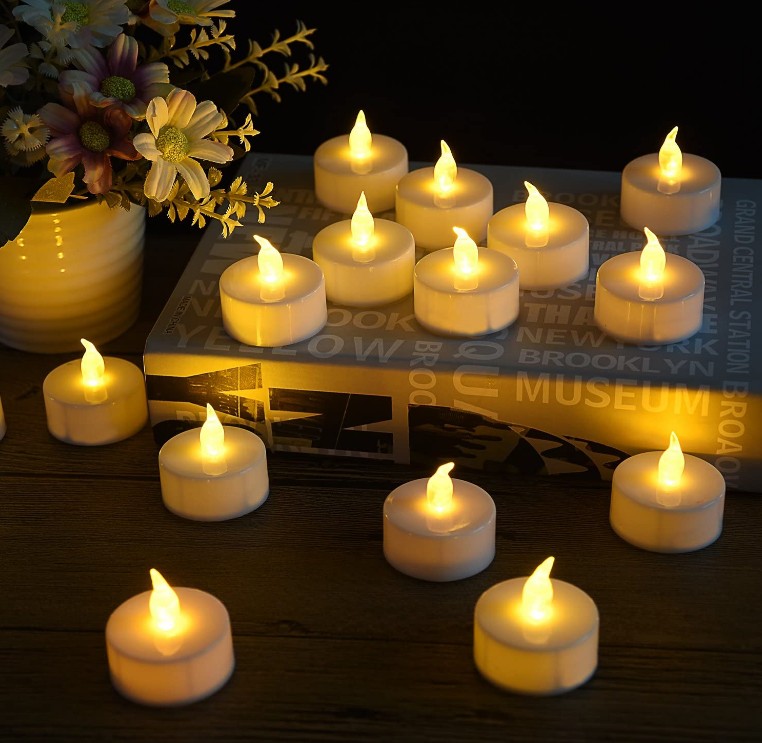

Executive Summary: Sourcing Excellence from Top Paraffin Wax Candle Manufacturers
In the global home fragrance, religious ritual, and emergency illumination markets, paraffin wax candles remain the undisputed industrial benchmark for burn stability, structural resilience, and cost efficiency. As procurement directors and commercial buyers navigate increasingly volatile global supply chains, identifying top trusted paraffin wax candle factories and exporters requires looking beyond surface-level wholesale prices. It demands a rigorous technical understanding of raw material refining grades, polymer melt points, wick capillary dynamics, and international safety compliance.
This B2B sourcing whitepaper provides enterprise procurement teams, private-label brand owners, and bulk distributors with actionable intelligence on evaluating manufacturing facilities, optimizing product technical specifications, anticipating future market shifts, and establishing risk-mitigated supply chains. Developed in partnership with Aoyin Jubren Candle Co., Ltd.—an SGS-assessed leader in candle production based in Hebei, China—this guide integrates real-world factory data, chemical evaluation standards, and global import-export compliance frameworks.
"Information Gain in B2B Candle Procurement: True cost efficiency is not determined by raw unit cost alone, but by thermal stability during transit, zero-defect wick centering, controlled melt-pool dynamics, and strict batch-to-batch color and scent consistency."
1. The Technical Chemistry of Paraffin Wax: Refining Grades & Specifications
Paraffin wax is a straight-chain alkane hydrocarbon derived from petroleum refining, defined by the chemical formula CnH2n+2. The performance of a commercial candle depends almost entirely on the refining degree and carbon chain length distribution of the paraffin feedstocks utilized by the factory.
1.1 Fully Refined vs. Semi-Refined Paraffin Wax
Leading candle exporters classify paraffin into two primary commercial categories:
- Fully Refined Paraffin Wax (Oil Content < 0.5% by weight): Hydro-treated to remove trace aromatics and heavy metals. Displays a clean crystalline white structure, exceptional hardness, odorless combustion, and complete resistance to UV-induced yellowing. Essential for high-end household tapers, premium unscented pillars, and exported church candles exposed to long sea freight routes.
- Semi-Refined Paraffin Wax (Oil Content 0.5% to 1.5% by weight): Retains minor traces of light oil. Ideal for budget compressed tealights, utility household stick candles, and industrial votives where subtle surface elasticity prevents brittleness during automated bulk packing.
1.2 Melting Point Optimization for Global Logistics
A critical failure point in international candle logistics is ambient thermal warping or surface sweat during ocean container transit through tropical zones (where internal freight container temperatures frequently reach 55°C to 65°C). Top exporters engineer custom wax formulations by blending melting points:
| Melting Point Range | Needle Penetration (25°C) | Ideal Candle Application | Logistical Thermal Resistance |
|---|---|---|---|
| 54°C - 56°C (Low Melt) | 18 - 22 (1/10 mm) | Glass Jar Candles, Container Soy Blends, Scented Tins | Requires climate-controlled or insulated container lining during summer shipment. |
| 58°C - 60°C (Medium Melt) | 14 - 18 (1/10 mm) | Standard Tealights, Pressed Votives, Molded Art Candles | Standard ocean shipping across temperate and sub-tropical routes. |
| 62°C - 64°C (High Melt) | 10 - 13 (1/10 mm) | West African Household Stick Candles, Church Pillars, Tapers | Superior resistance to bending, drooping, and surface oil bleeding in extreme tropical climates. |
2. Engineering Combustion: Wick Hydro-Dynamics & Flame Stability
A paraffin candle is a thermal liquid engine. The wax acts as solid fuel, which is liquified by radiant heat from the flame, drawn up the wick through capillary action, vaporized, and combusted. Defective candle performance—such as soot generation, flame flickering, tunneling, or fuel spillage—is rarely caused by wax alone; it is typically an imbalance between wick braided architecture and wax viscosity.
100% Unbleached Cotton Wicks
High-tier factories utilize ring-spun, coreless flat-braided or square-braided 100% natural cotton wicks. Coreless flat braids self-trim by curling their tip into the outer incandescent zone of the flame, ensuring complete carbon combustion and soot reduction.
Lead-Free & Non-Toxic Priming
Strict compliance with European Standards (EN 15426 for sooting behavior and EN 15493 for fire safety) and US ASTM F2417 requires wicks to be 100% heavy-metal free, primed with non-toxic high-melting paraffin wax to maintain vertical rigidity during pour cooling.
Melt Pool Diameter Matching
Automated wick tensioning and computer-calibrated wick gauge selection guarantee that the melt pool reaches the exact outer edge of the candle within 1.5 hours, preventing center-tunneling or edge wall collapse.
3. Enterprise Strengths: Why Aoyin Jubren Candle Co., Ltd. Stands Out
When selecting a primary manufacturing partner in China, buyers must evaluate verifiable facility assets, international trade compliance, and operational scale. Aoyin Jubren Candle Co., Ltd. (operating from Shijiazhuang, Hebei Province) has established itself as an authoritative benchmark for wholesale candle export.
3.1 Verified Manufacturing Infrastructure & Scale
Located in one of China's core chemical and candle manufacturing hubs, Aoyin Jubren operates a dedicated industrial campus staffed by over 165 skilled technicians and production specialists. The factory has successfully passed stringent on-site supplier assessments conducted by SGS Group, validating its manufacturing capacity, legal standing, and environmental management protocols.
3.2 Advanced Machinery & Output Capacity
- Automated Tealight Pressing Lines: Utilizing continuous powder compression molding to produce high-density, uniform 10g, 12g, and 14g tealights at a capacity exceeding 2,000,000 units per day.
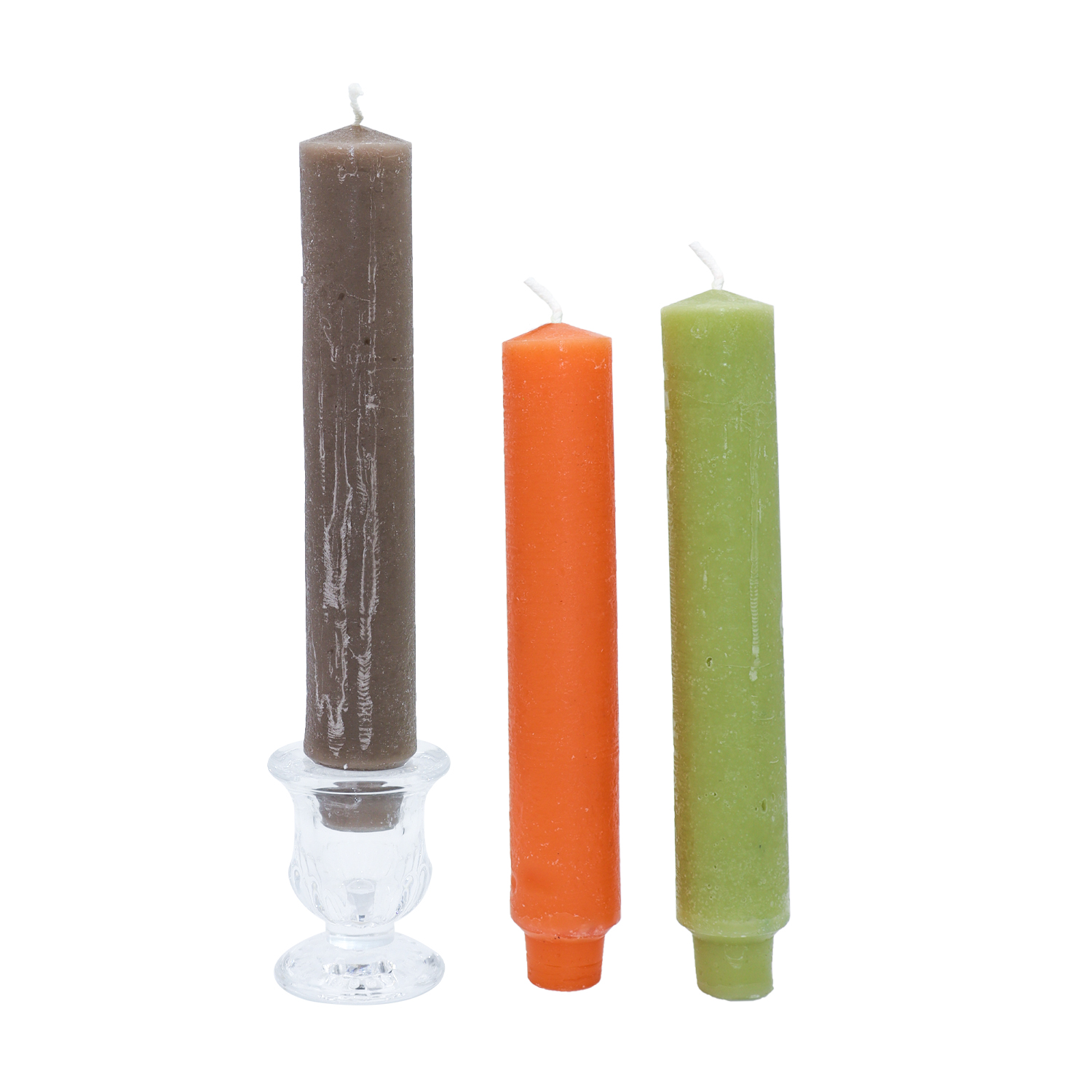
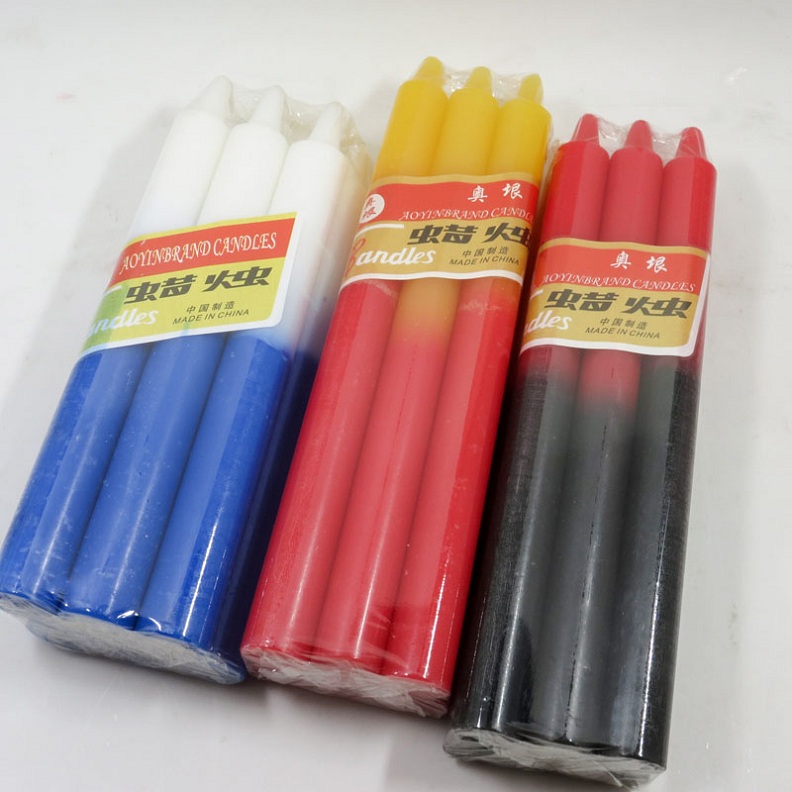
- Multi-Sieve Continuous Extrusion Lines: Engineered specifically for smooth, seamless stick and taper candles (36g, 38g, 40g household sticks) with uniform color density and zero internal air pockets.
- Thermostatically Controlled Hot-Pouring Workshop: Temperature-regulated multi-stage pouring tables dedicated to complex multi-wick scented soy jars, glass spiritual novena candles, and intricate sculpted art candles.
3.3 Multi-Wax Processing Versatility (OEM / ODM)
While paraffin wax remains a core pillar, Aoyin Jubren's R&D department seamlessly integrates diverse natural wax matrices into custom buyer programs:
- Paraffin Wax Formulations: Fully refined 58/60 and 60/62 grades for household, church, and tealight products.
- 100% Natural Soy & Palm Wax: Eco-friendly, hydrogenated vegetable waxes for clean-burning aromatherapy collections.
- Pure Beeswax & Pearled Sand Wax: Specialized formulations for luxury art candles, ritual Havdalah pyramids, and refillable granular sand wax kits.
4. Future Procurement Trends in the Global Candle Industry (2025–2030)
Enterprise buyers must align their multi-year sourcing strategy with emerging consumer demands, regulatory shifts, and technological breakthroughs. The candle manufacturing sector is undergoing a profound structural transformation characterized by three key megatrends:
Trend 1: Sustainable Bio-Paraffin Hybrid Formulations
While consumer demand for eco-conscious products favors natural soy and beeswax, pure plant waxes often lack the structural rigidity, flame height, and scent-throw efficiency of paraffin. Top exporters are leading the development of bio-paraffin hybrid matrices—combining 30% to 50% hydrogenated soy or palm wax with ultra-pure fully refined paraffin. These hybrids deliver a lower carbon footprint, smooth aesthetic surfaces, superior fragrance throw, and competitive bulk pricing.
Trend 2: Automation, Traceability, and Smart Supply Chains
Retail giants and brand owners now demand end-to-end supply chain transparency. Modern factories are integrating batch-level barcode tracking from crude paraffin intake to individual shipping cartons. Real-time viscosity monitoring, automated inline check-weighers, and machine-vision wick inspection systems ensure that defect rates remain below 0.01%, virtually eliminating consumer return claims.
Trend 3: Diversification into Functional & Experiential Lighting
Traditional utility candles are evolving into multifaceted lifestyle and experiential products. Growth vectors include:
- Aromatherapy & Functional Fragrance: High fragrance loads (8% to 12% essential oil blends) with cold/hot throw calibration for wellness and stress relief.
- Dual-Mode Hybrid Decor: Combining traditional wax candles with ambient LED moving-flame votives for high-risk commercial venues (hotels, outdoor banquets, cruise ships).
- Custom Judaica & Cultural Heritage Lines: Precise geometric designs, multi-colored dip-dyed stick sets for Hanukkah, dripless Havdalah pyramids, and long-burning 7-day glass spiritual novena candles.
5. Comprehensive B2B Sourcing Specification Matrix
To assist procurement managers in drafting Request for Quotations (RFQs), the table below outlines standardized technical parameters across our primary product categories:
| Category | Standard Weight / Size | Burn Time Range | Packaging Configuration | Standard MOQ |
|---|---|---|---|---|
| Paraffin Stick Candles | 36g, 38g, 40g, 50g (Custom length) | 4.5 to 7.0 Hours | 8 pcs/pack, 30 packs/master carton (Cellophane/Box) | 10,000 - 20,000 pcs |
| Aluminum Cup Tealights | 10g, 12g, 14g, 23g (3.8cm diameter) | 3.5, 4.0, 6.0, 8.0 Hours | 10/50/100 pcs polybags or shrink-wrap packs | 16,000 - 50,000 pcs |
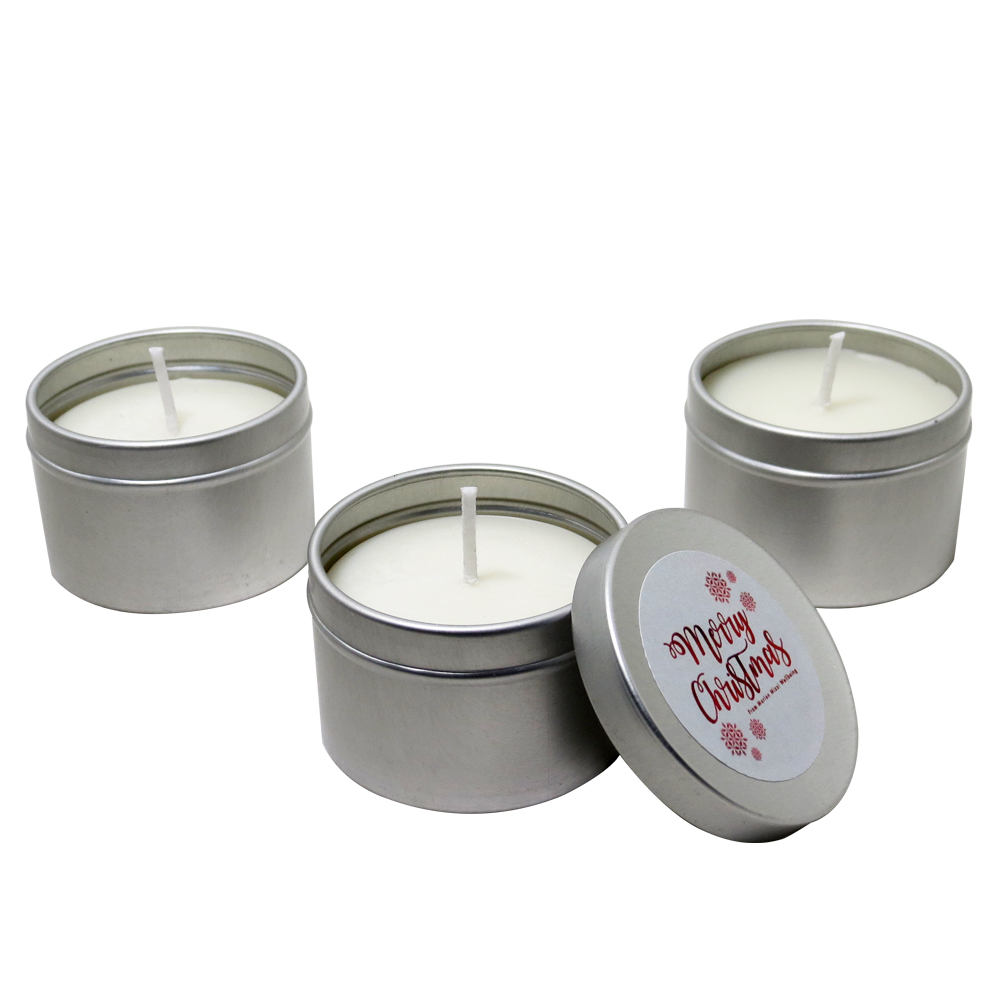
| Scented Soy Jars & Tins | 50g tin, 100g, 200g, 300g glass jar | 15 to 45 Hours | Individual custom rigid gift box + inner protection | 500 - 1,000 pcs |
| Pillar Candles | 5x10cm, 7x15cm, 10x20cm (Custom) | 20 to 90 Hours | Individual plastic shrink film with barcode label | 500 - 1,000 pcs |
| 7-Day Glass Spiritual | 8" Height x 2.25" Diameter Glass Jar | 140 to 168 Hours | 12 pcs or 24 pcs heavy-duty divided shipping carton | 480 - 1,200 pcs |
| Art & Specialty Candles | Custom Geometric / Figure Molds | Varies by Volume | Custom branded window box with molded EVA foam | 500 - 2,000 pcs |
Frequently Asked Procurement Questions (FAQ)
Is Aoyin Jubren Candle Co., Ltd. a direct manufacturer or a trading exporter?
What are the minimum order quantities (MOQ) for custom OEM candle orders?
How do you guarantee that stick candles will not bend or sweat during ocean shipping to tropical regions?
What OEM and ODM custom options do you offer for private-label brand importers?
Are your candles compliant with European (EN) and US (ASTM) safety standards?
What is the typical production lead time from order confirmation to port dispatch?
Partner with China's Premier Paraffin Candle Exporter
Looking for a reliable, SGS-verified candle factory to produce your next bulk order or private-label collection? Connect directly with our engineering and export trade team today for technical consultation, factory pricing, and rapid sampling.
Send an Inquiry